
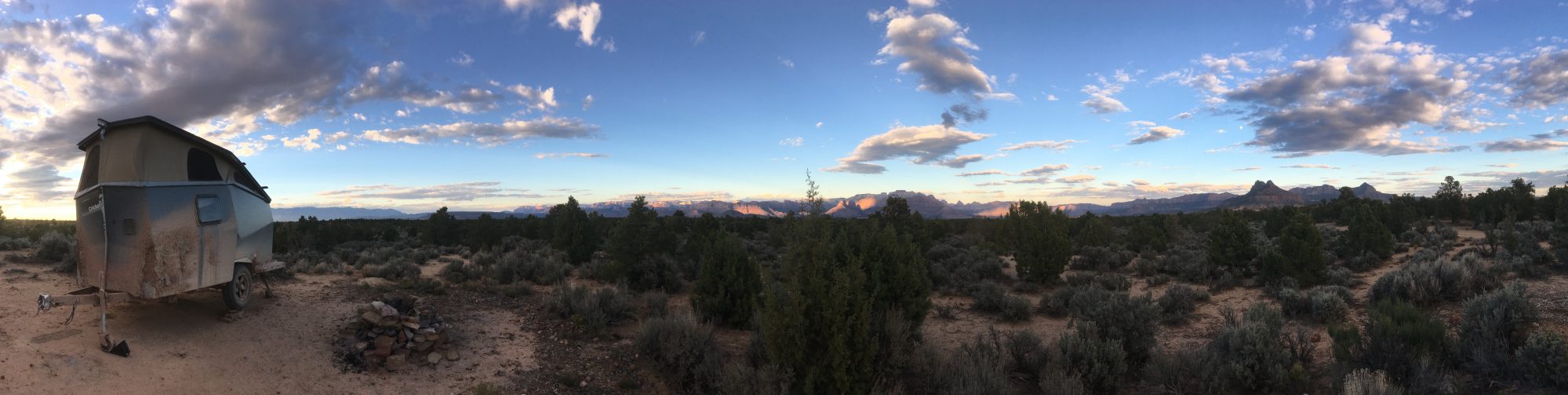
I have always liked weird bikes.
In particular, mini-velos have held a soft spot in my heart. The idea of small wheels and portability while offering near-normal bike fit/geometry and functionality is just kind of cool, for whatever reason.
I’ve tried and researched countless variations of mini-velos currently available on the market, from the Velo Orange Neutrino (I have one, see the previous post), to Bike Friday, to Brompton, to more obscure/no longer made bikes such as the Mercier Nano, Orbea Katu, and Cannondale Hooligan.


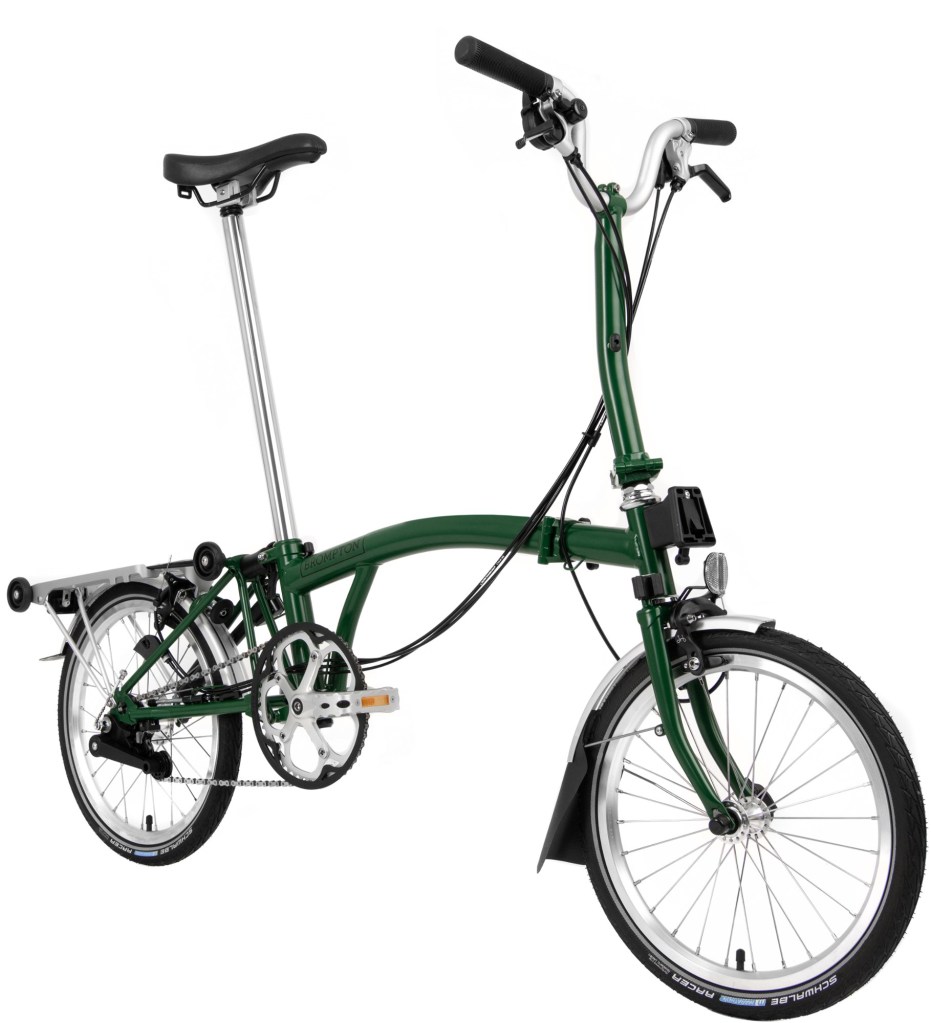


All of them have a pretty glaring flaw for what I’m looking for, which is that the geometry is kind of terrible for any relatively aggressive mountain biking. They’re all designed around riding around in the city, meaning they have steep head tube angles, shortish reach/slackish seat tube angles, and front end geometry that’s not conducive to supporting a proper front suspension fork, like really long head tubes, and short fork axle-to-crown lengths for 20″ wheels.
All I wanted was a bike frame with relatively modern mountain bike geometry, but adapted for small wheels. So, I made one. Or two, rather, since I had two different manufacturers make me a frame with the same geo.
End result(s):
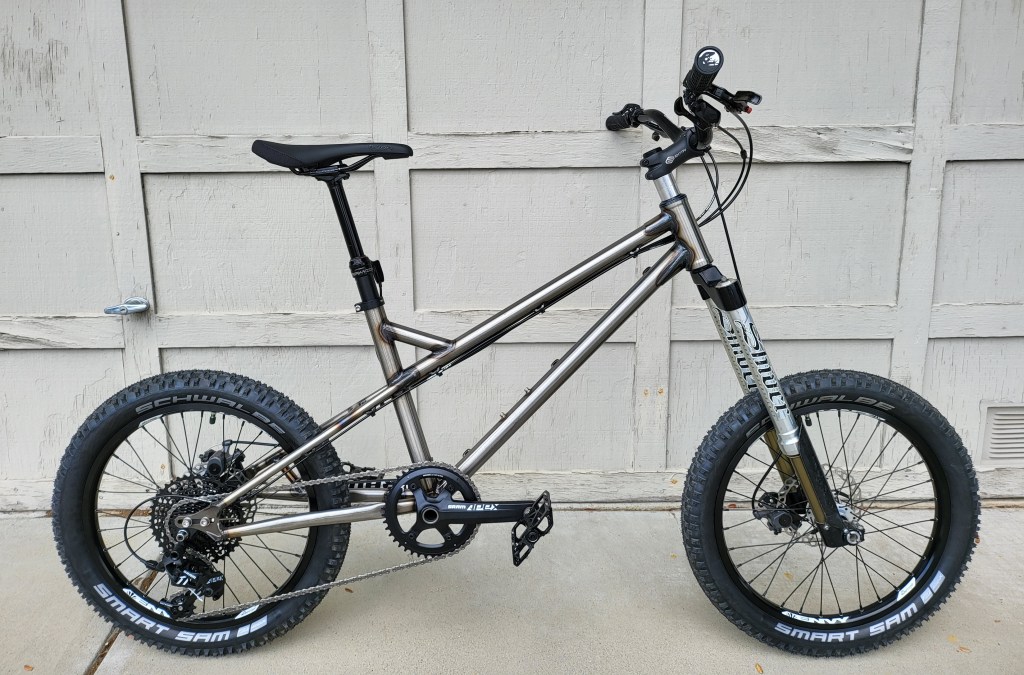
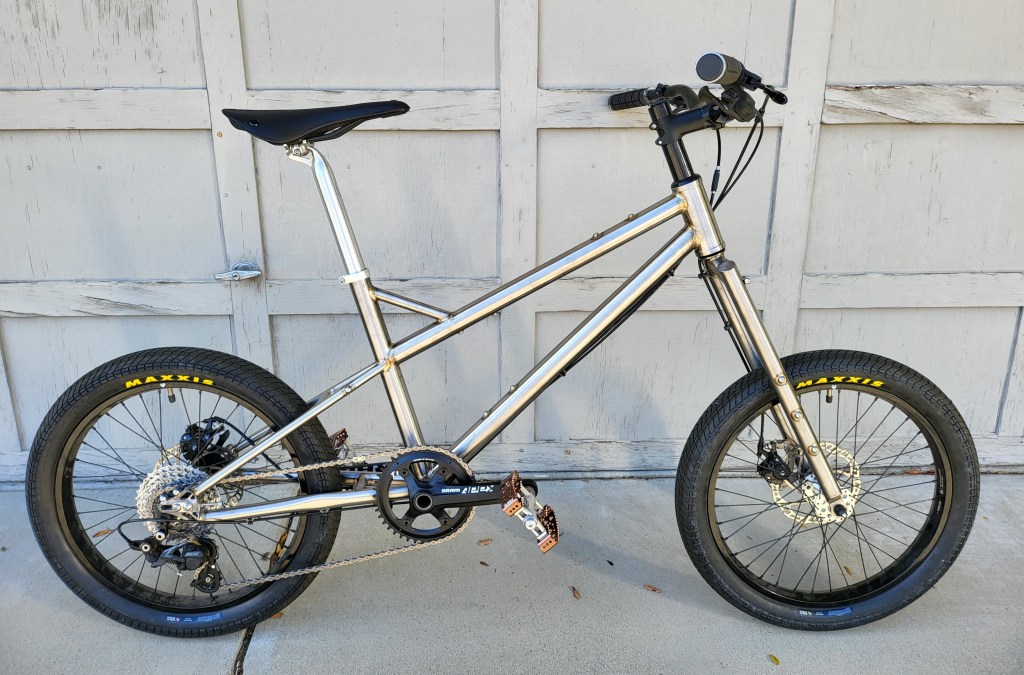
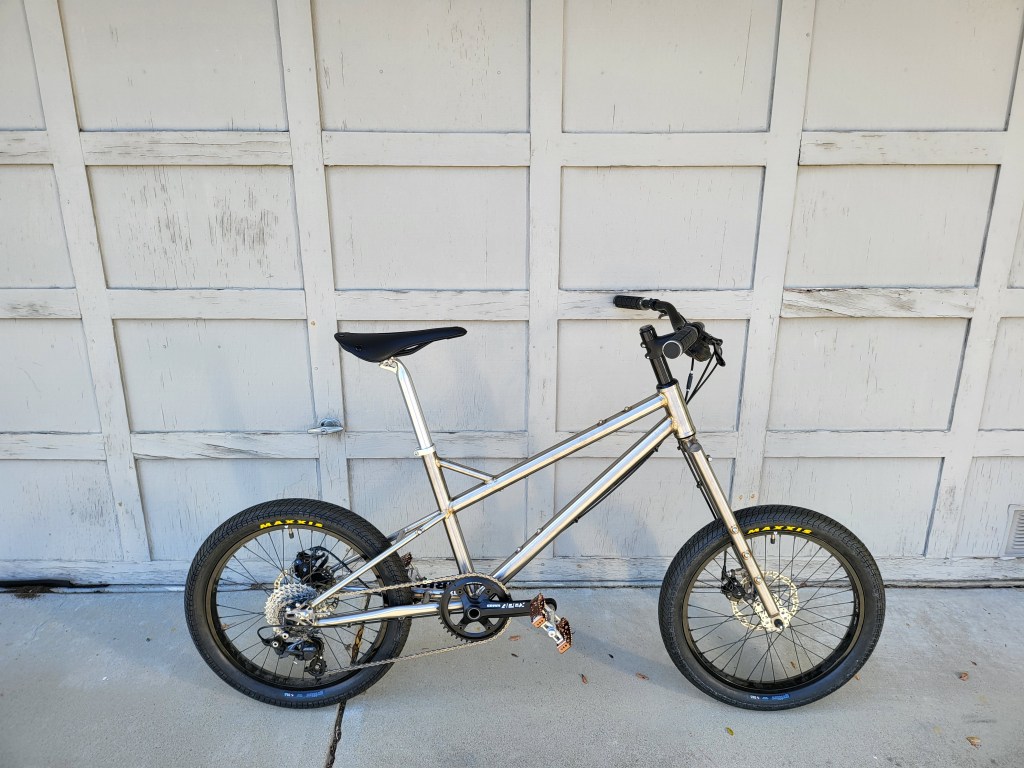
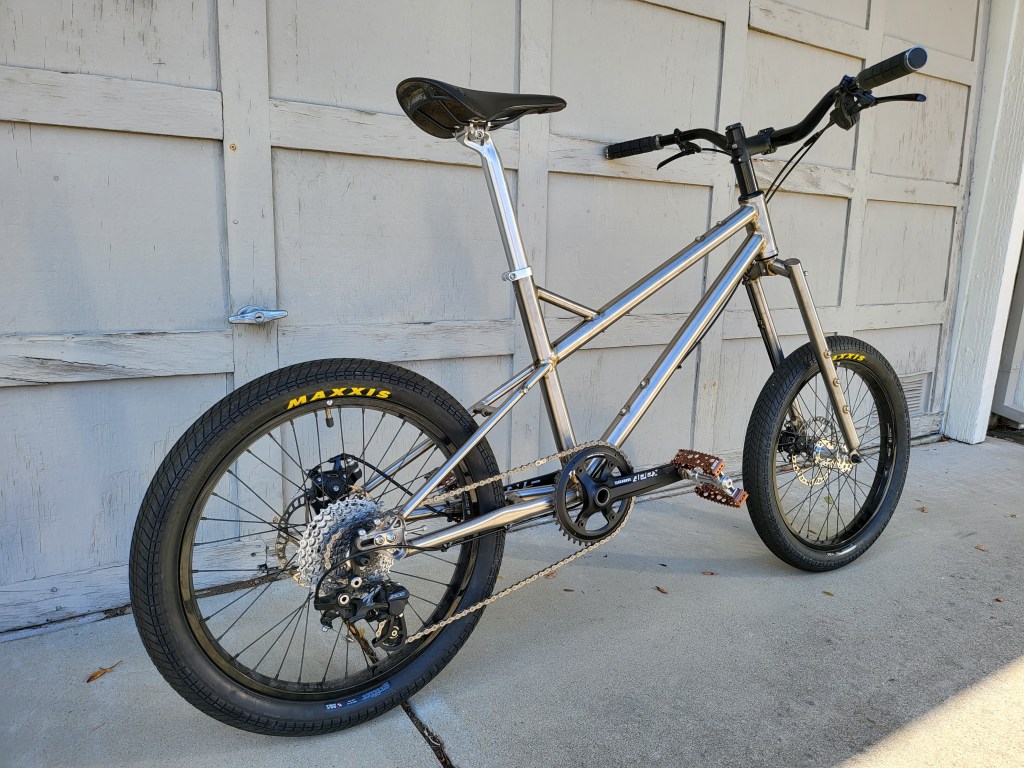
Two custom bike frames designed by myself, built by two different manufacturers (one in Peru, one in China), with the same geometry, set up for different purposes.
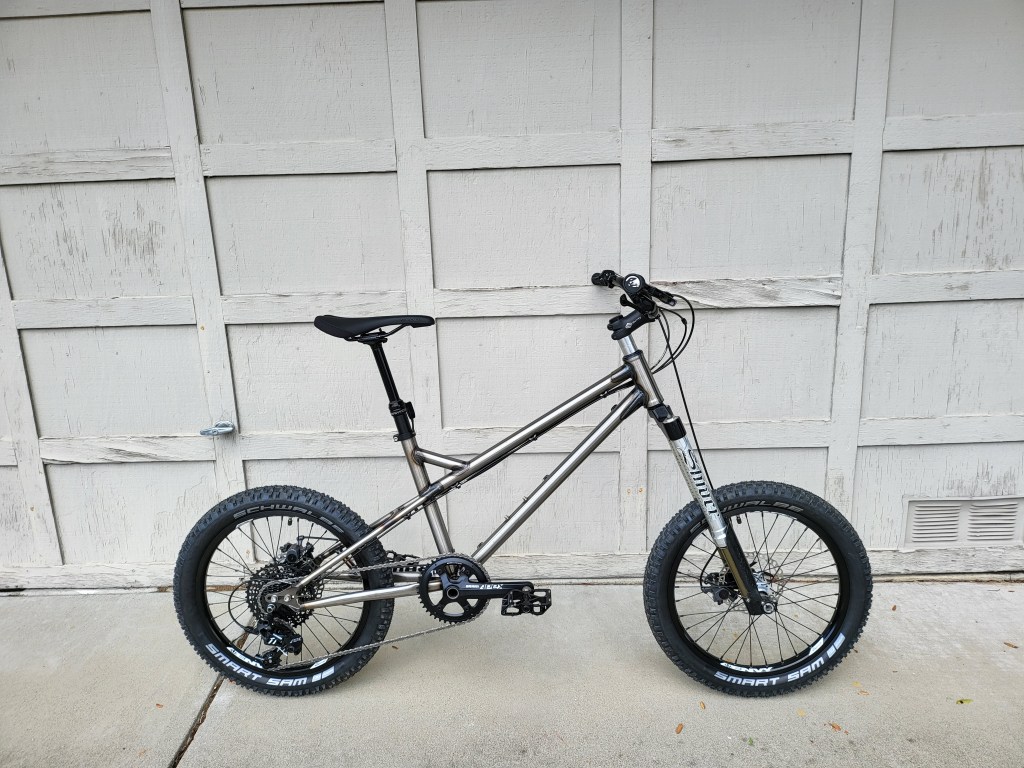
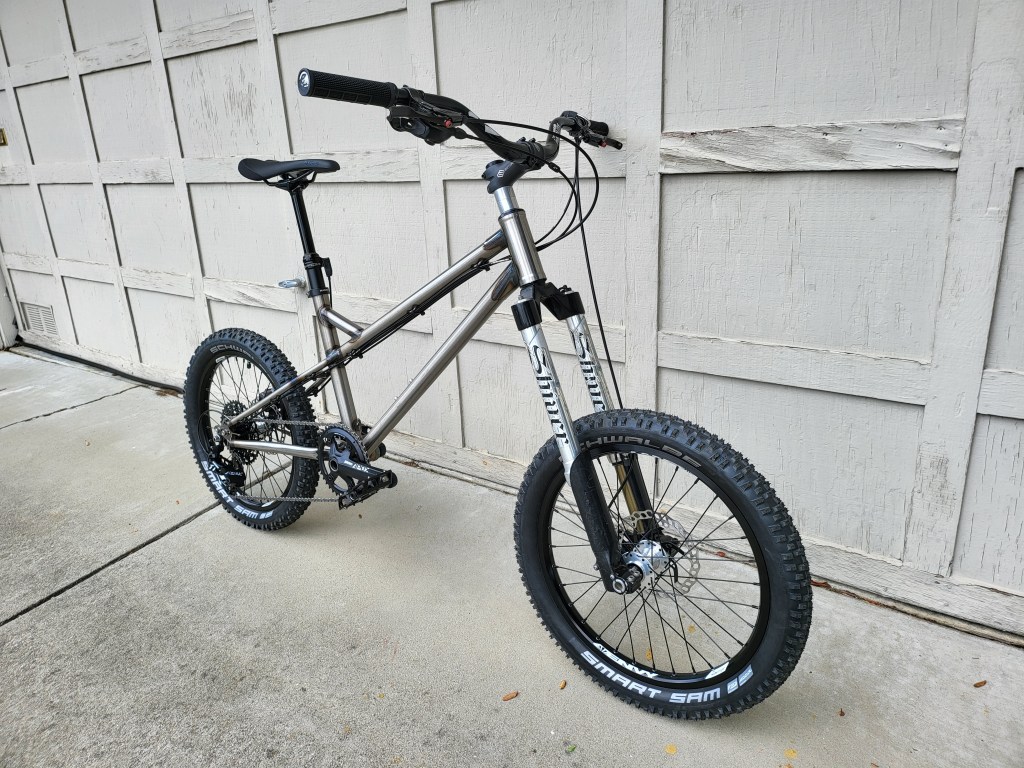
The top one is set up like a normal hardtail mountain bike, with a chromoly steel frame, knobby tires, a dropper seatpost and front suspension. The front fork is actually quite retro and cool in itself, it’s an old single crown Marzocchi Shiver from 2002, one of the few inverted single crown fork designs that have ever existed. I chose this fork because there’s just nothing quite like old-school Marzocchi, and inverted single crown forks don’t have the lower crown, so it looks much more like it was designed for this bike from the beginning. I did have to build the wheels for this bike specifically to accommodate the old 20x110mm non-Boost axle standard used on this fork, using Hope Pro4 hubs and Sun Ringle Envy rims.
The bottom one is set up more for simplicity, light weight, and travel. It’s a titanium frame as opposed to the steel frame on the mountain bike variant, with a rigid fork and seatpost, lots of mounts for strapping on cages and bags, and semi-slick BMX tires. All of these parts I stole off of my Velo Orange Neutrino, which is sadly now stripped down to the frame. That bike was just too twitchy to ride for my preferences.
The geometry and CAD design that I created that was used to make these frames:

To sum up, this is a relatively average modern “medium” sized mountain bike geometry, with average head tube angle at 67 degrees (much much slacker than the super-twitchy 73 degrees on the Neutrino), average-ish 74 degree seat tube angle (compared with 72 degrees on the Neutrino), effective top tube of 580mm, and reach of roughly 430mm (compared to 406mm on the Neutrino). Generally, the steeper seat tube angles on modern mountain bikes necessitate a longer reach, and vice versa on older/more traditional road-oriented frames, in order to maintain the same relative feel between the saddle and the handlebars.
The main difference on this bike is the bottom bracket rise of 20mm, compared with more typical bottom bracket drop of roughly 50mm on normal 27.5/29″ mountain bikes. This is to raise the bottom bracket to a normal ground height with the much smaller 20″ wheels used. The chainstay length is also relatively average, at 410mm-425mm adjustable, which matches relatively well with the reach measurement for balance.
The frame was designed around a fork axle-to-crown (A-C) length of 480mm, which is the average A-C length of suspension-corrected rigid forks on the market. This means that the bike can accommodate suspension forks designed for normal 27.5/29″ mountain bikes with roughly 100mm of travel, something no other 20″ mini-velo on the market is able to do, at least that I’ve seen.
The other numbers are mostly for stylistic choices, I wanted the seat stays to be in line with the top tube, then have a gusset tube for the seat tube so it can extend to a relatively normal length without an extraordinarily long seatpost.
Ultimately, this design lends itself to being able to be packed into checked luggage, with the smaller wheels, and narrow frame dimensions (in the vertical plane), which means I can bring this bike with me much more easily when traveling than a full-sized bike. The whole thing can be put together with a standard bicycle multi-tool.
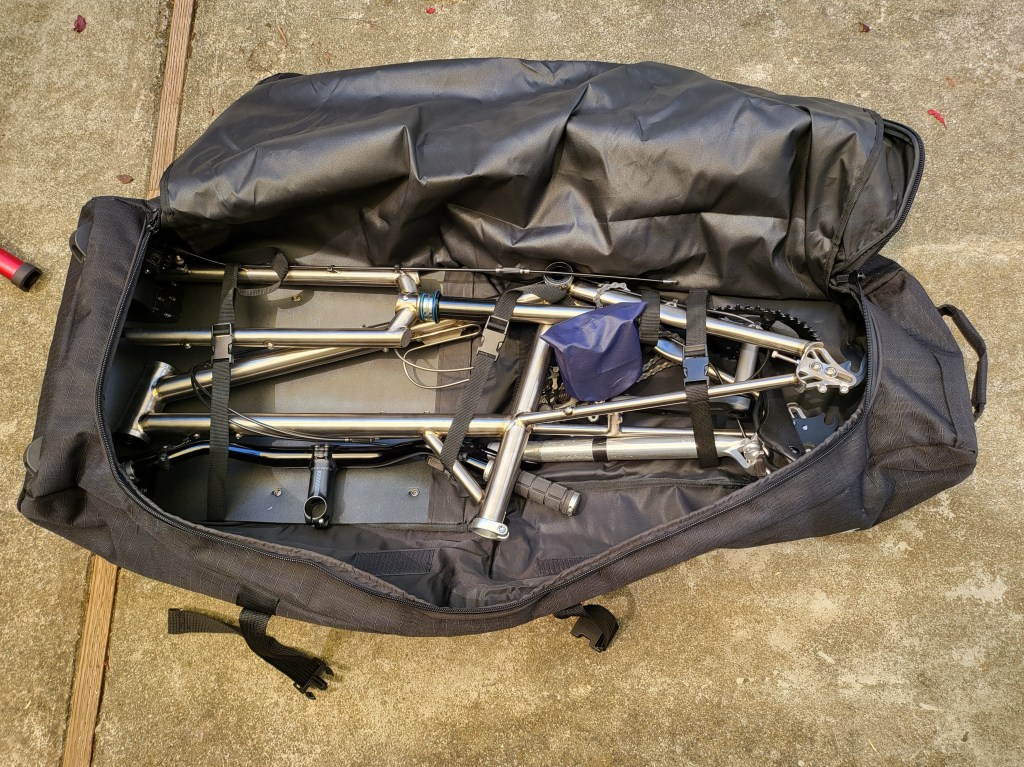
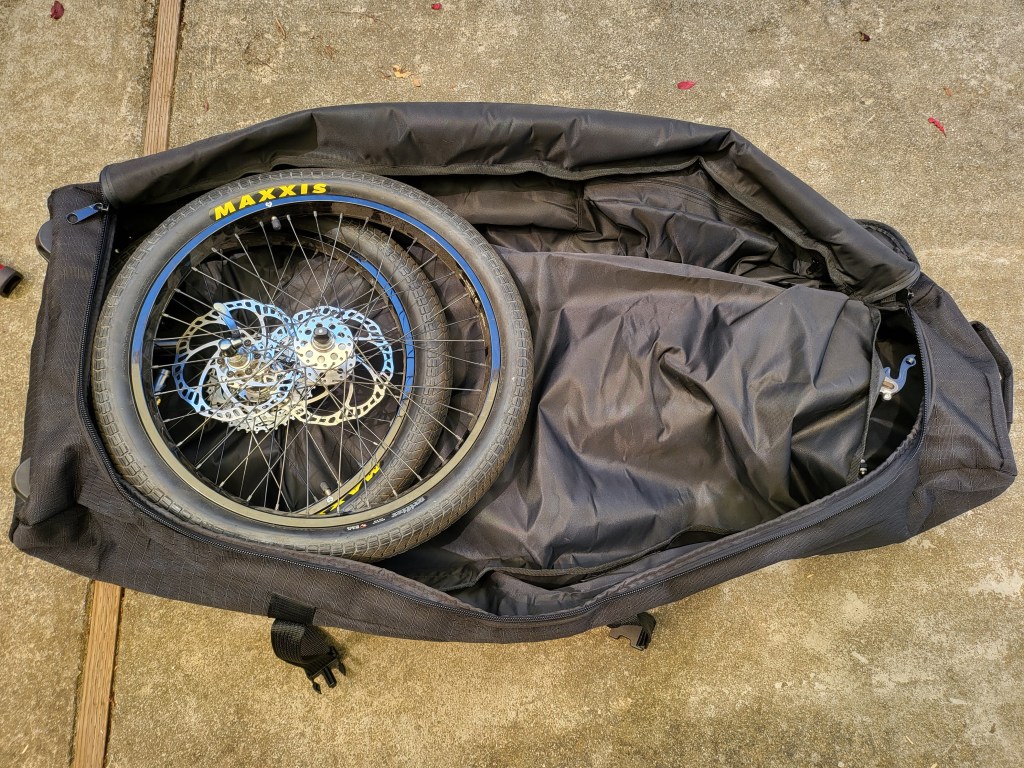

As you can see, it fits with plenty of extra space for padding, protection, and even clothes and helmet.
I’m pretty excited to use this bike a bunch in the future, it absolutely shreds on the pump track and around the neighborhood. Can’t wait to see how it does on trails and on trips.
Gratuitous photos of both bikes:


 Andrew Liu