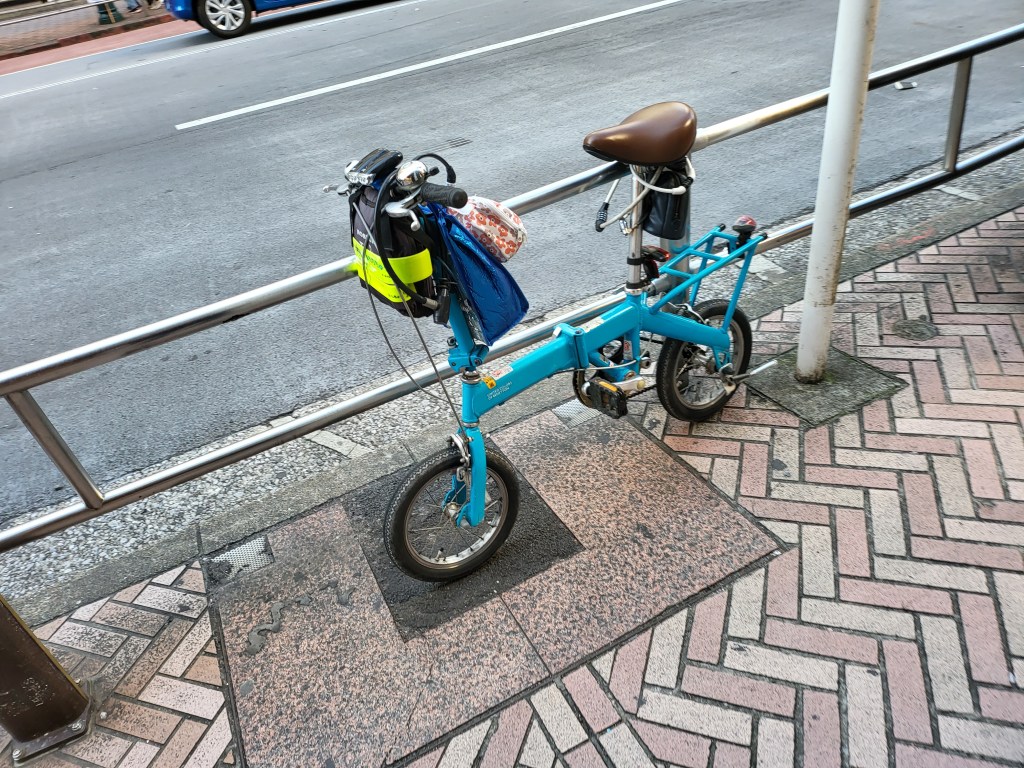
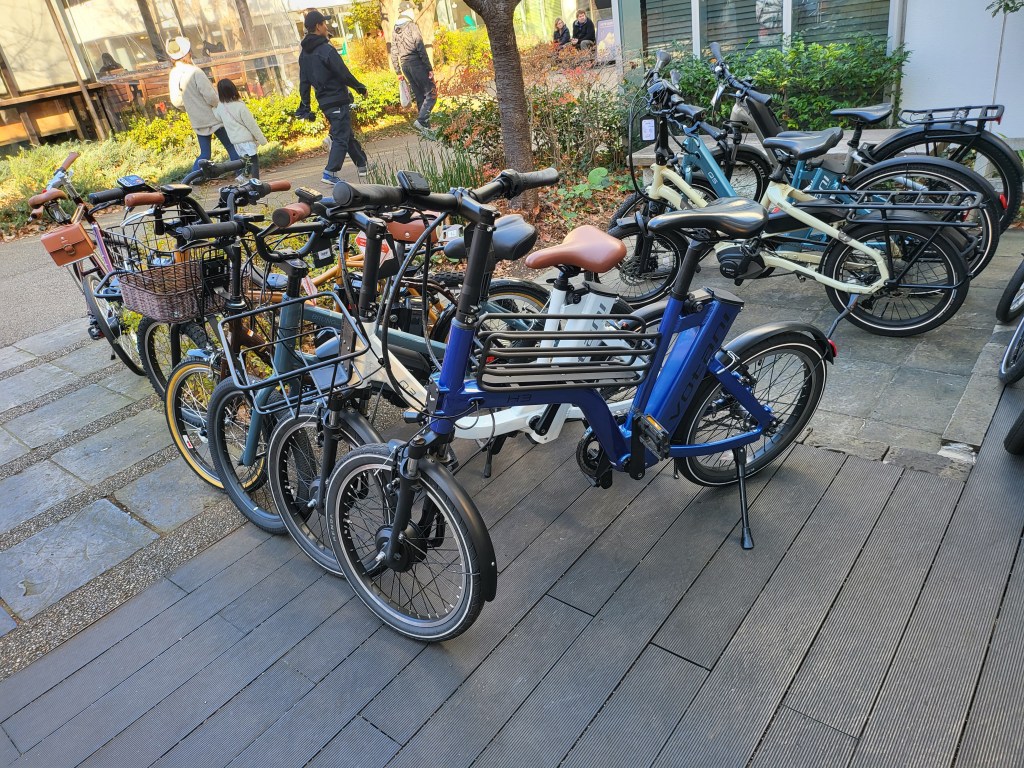
The mini velo bike culture is super prevalent in Japan. With Tokyo and cities being predominantly high density and quite crowded, space is at a premium.
Mini velos offer similar bike feel and fit to full size bikes, but with smaller wheels. They take up way less space than full size bikes, and are much more maneuverable and portable in tight environments. This type of bicycle and the culture around it is something I’ve been super interested in recently, as you can see from my previous posts.
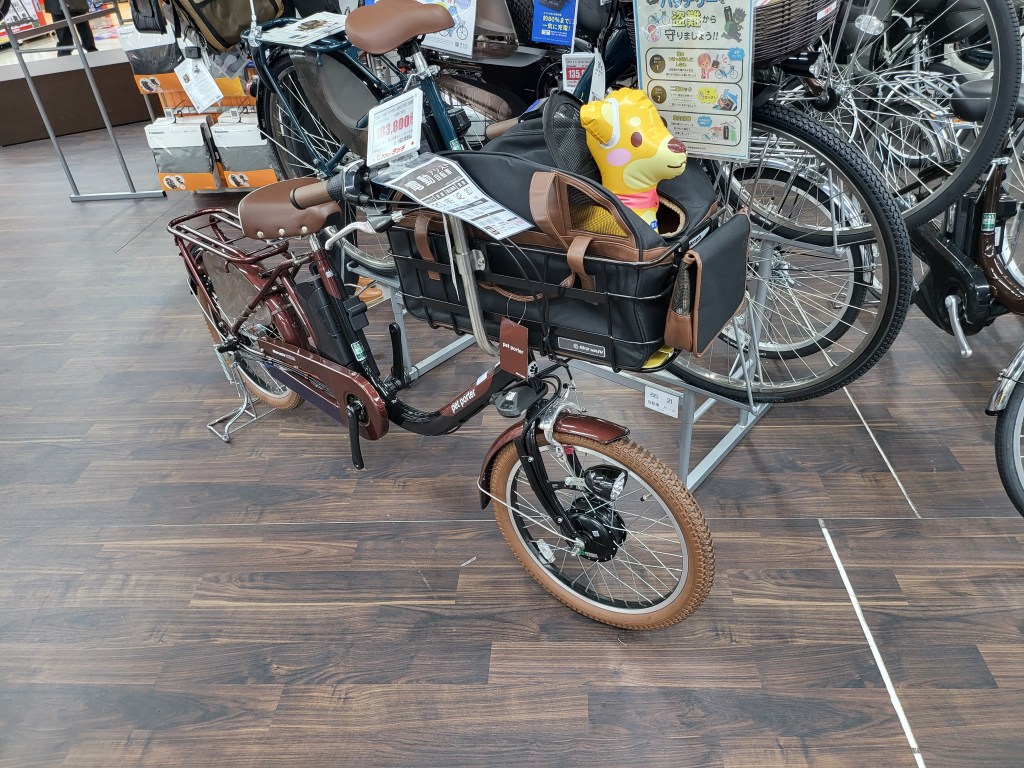
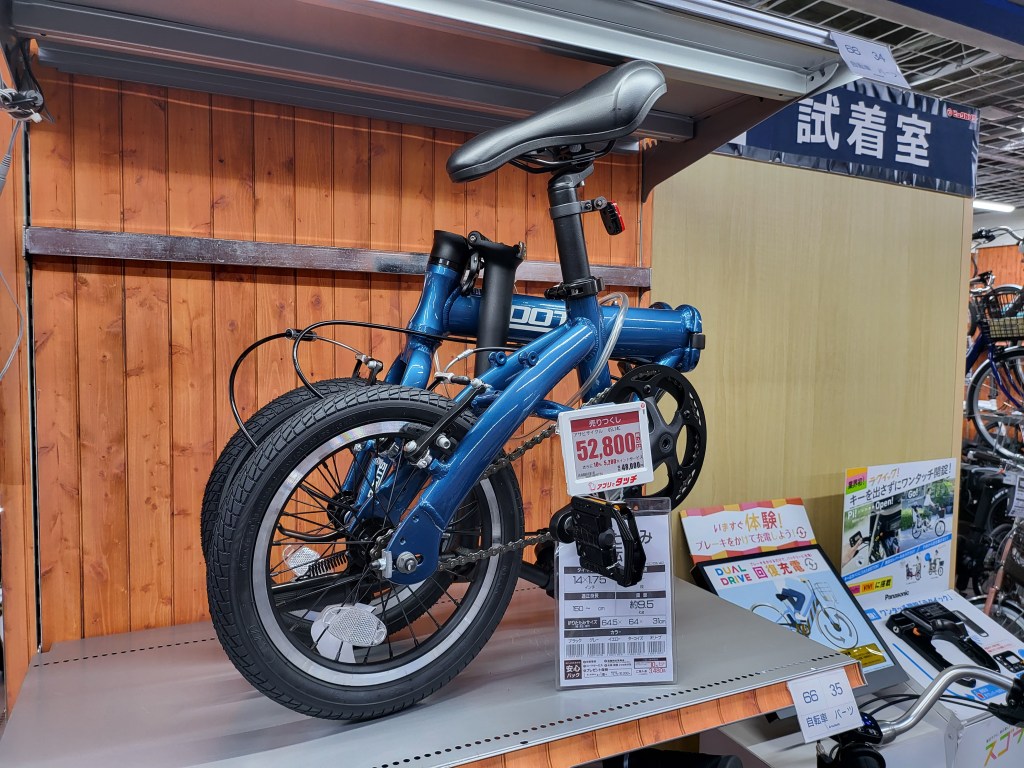
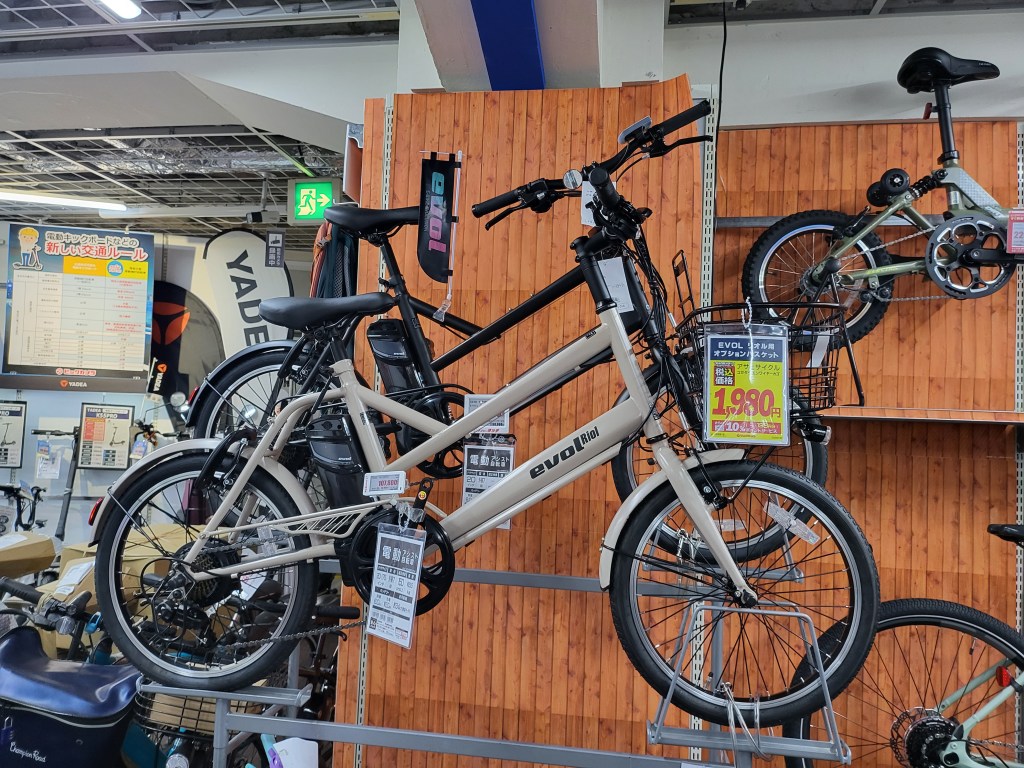
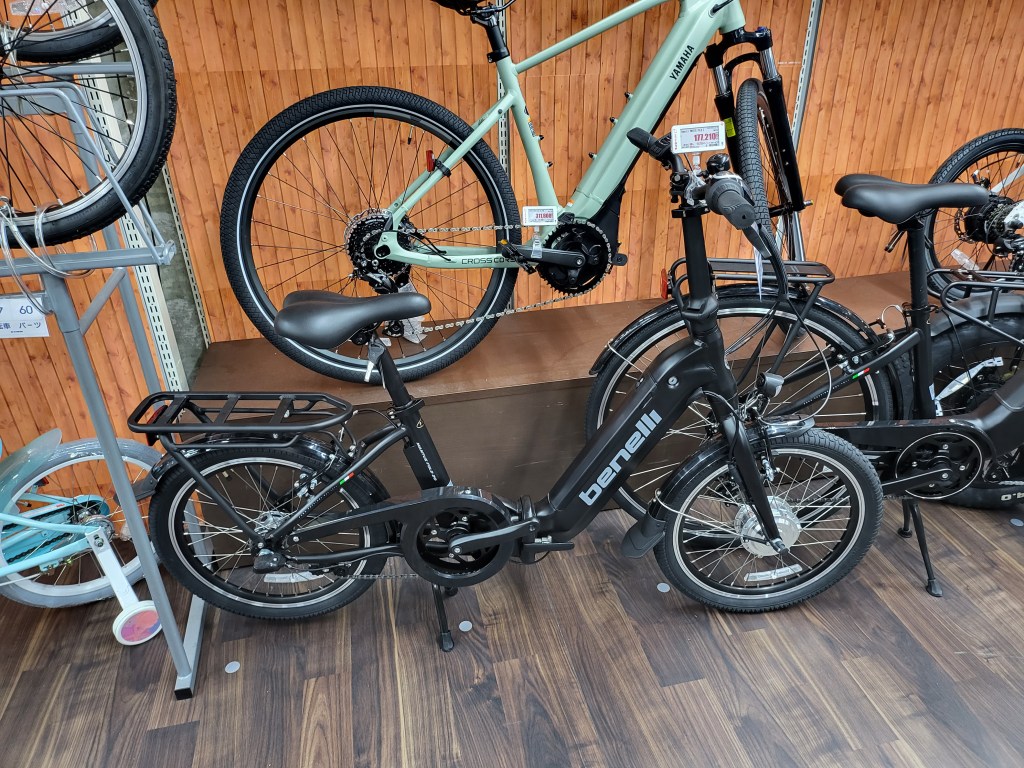
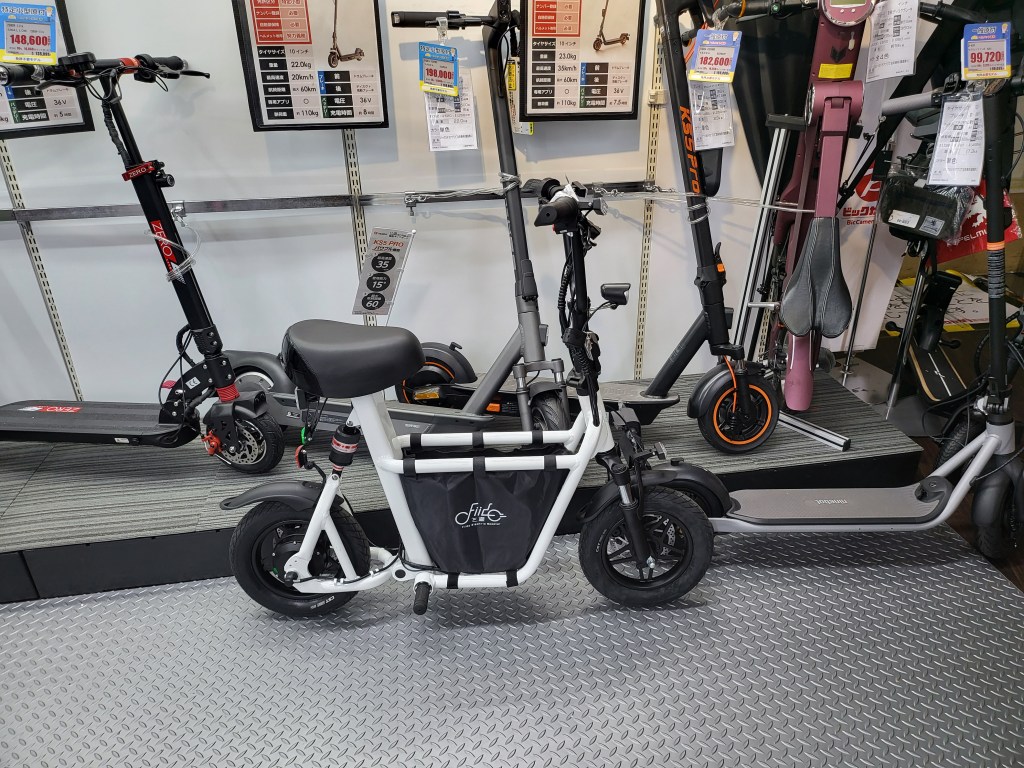
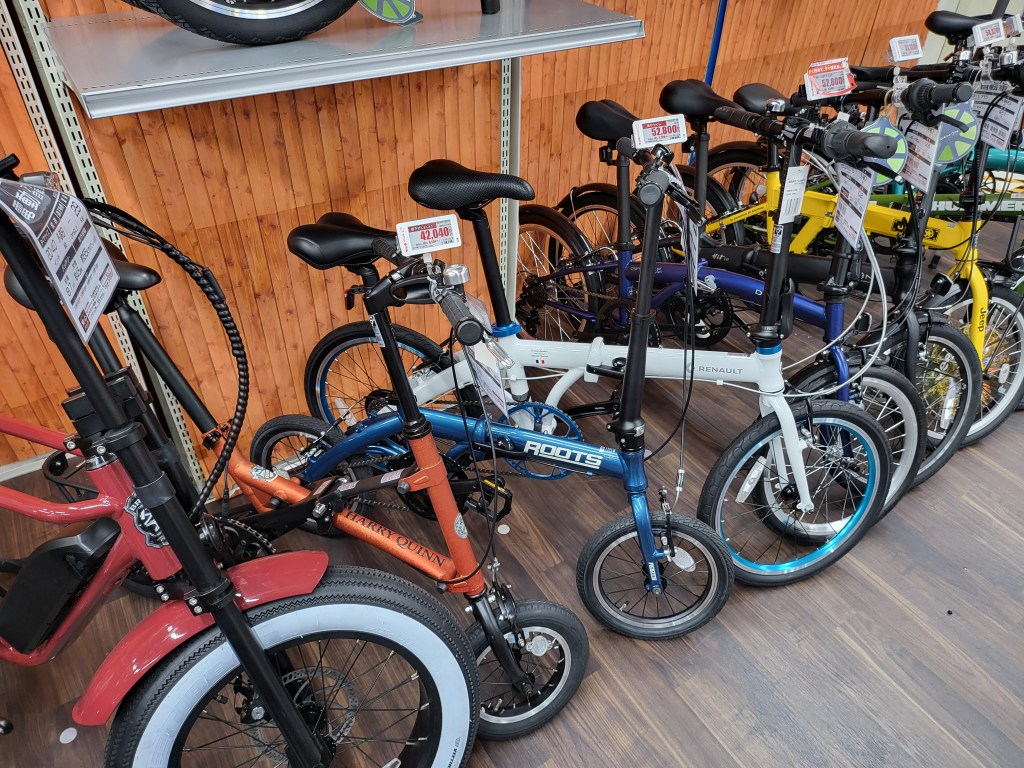
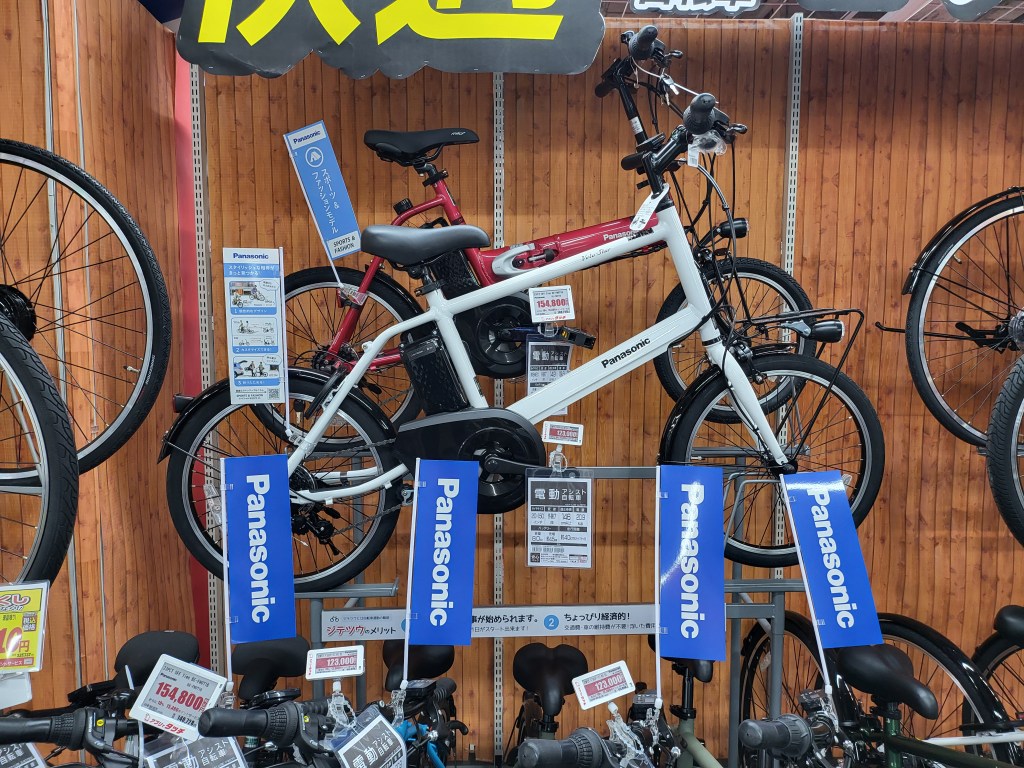
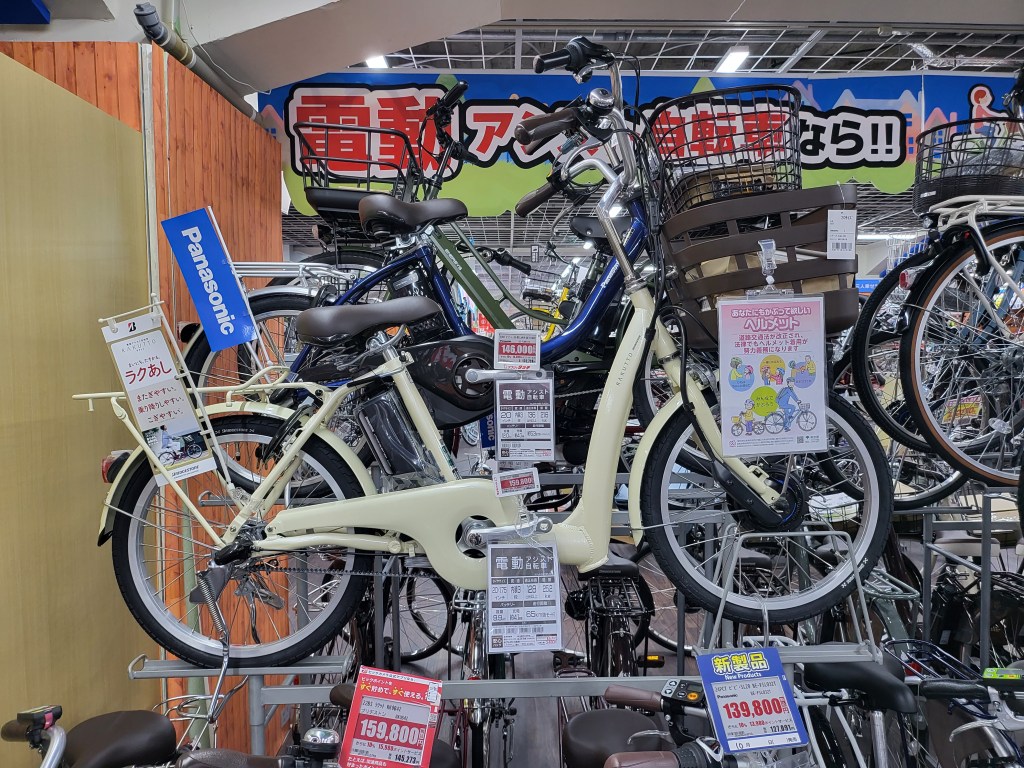
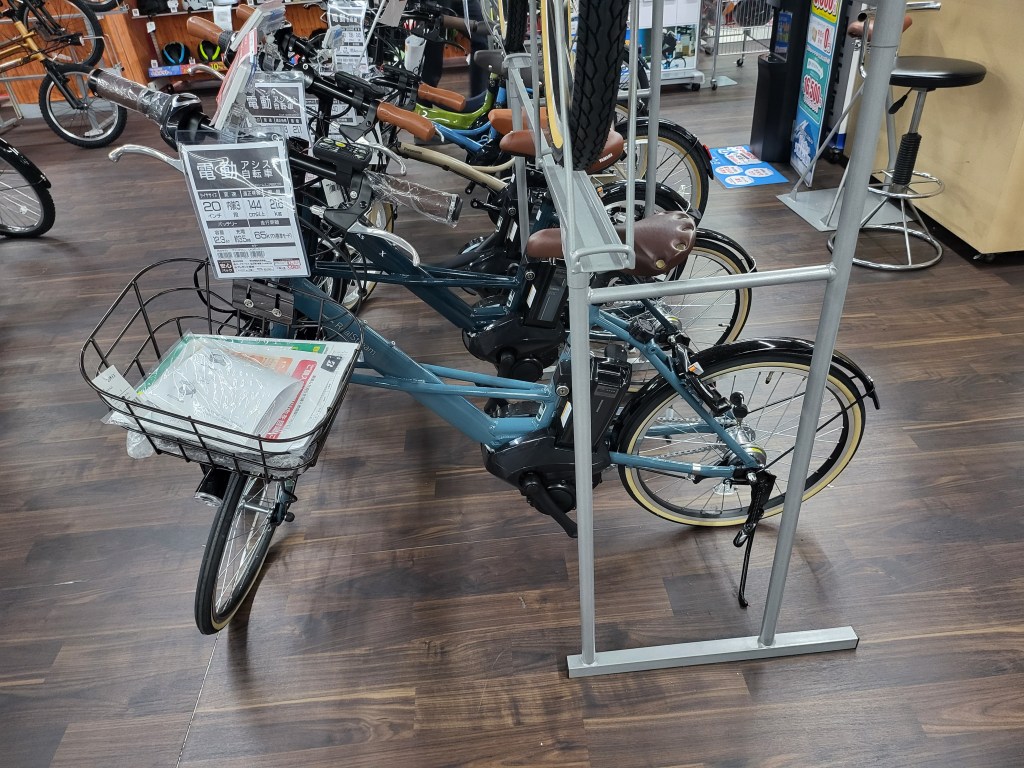
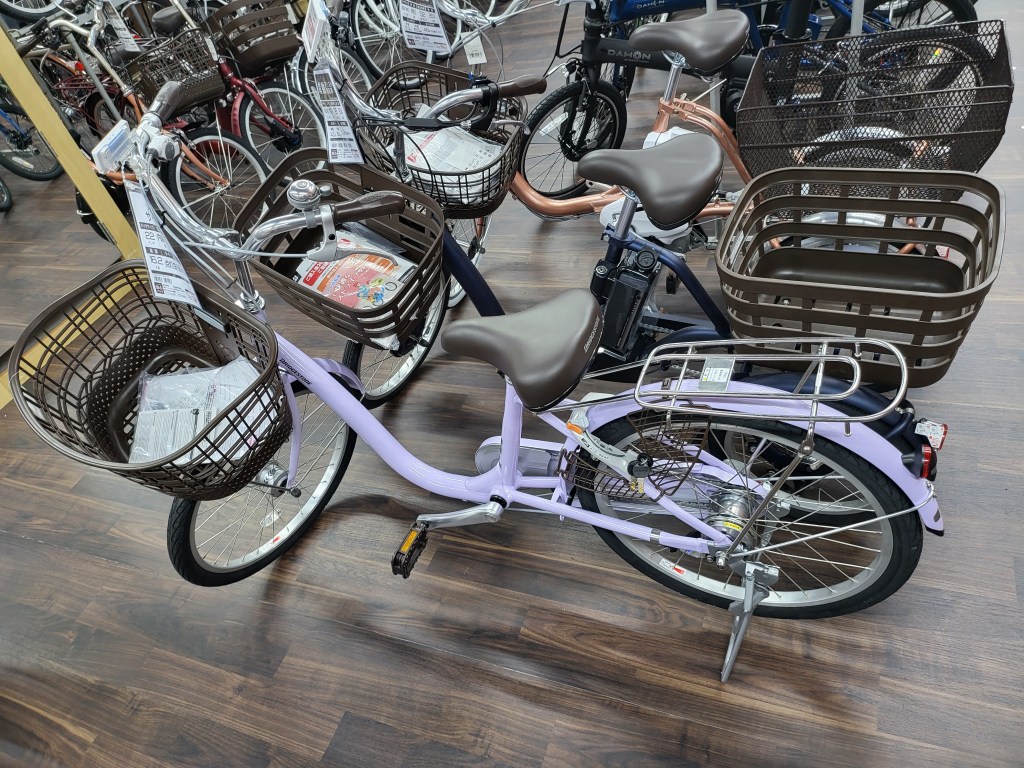
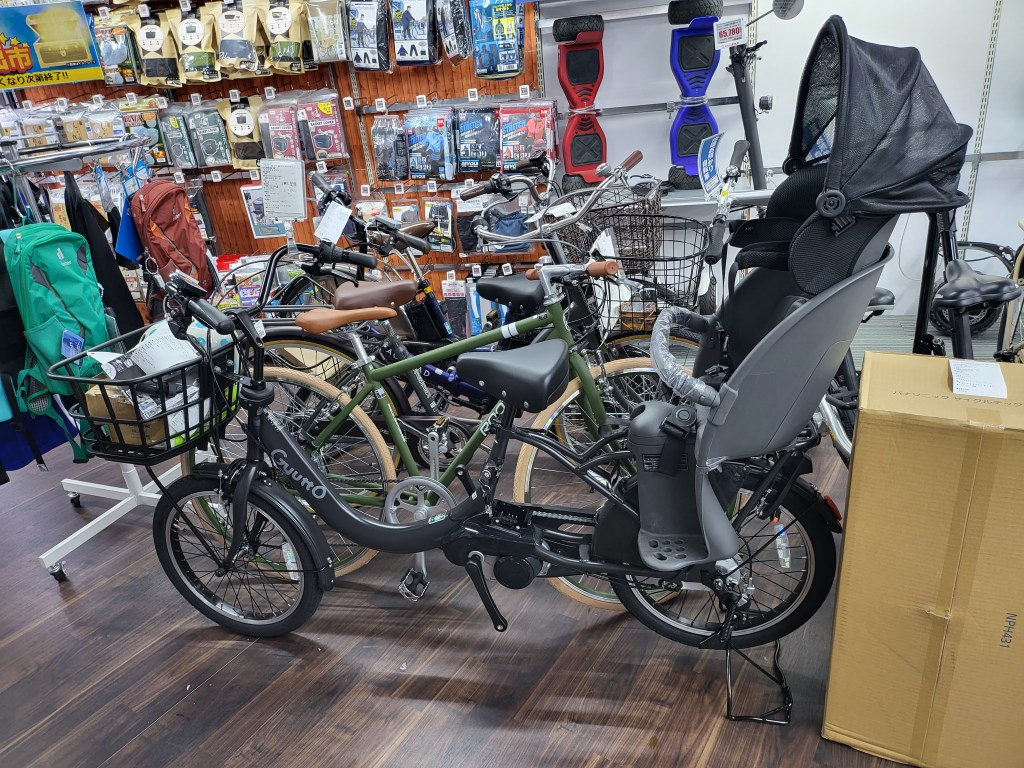
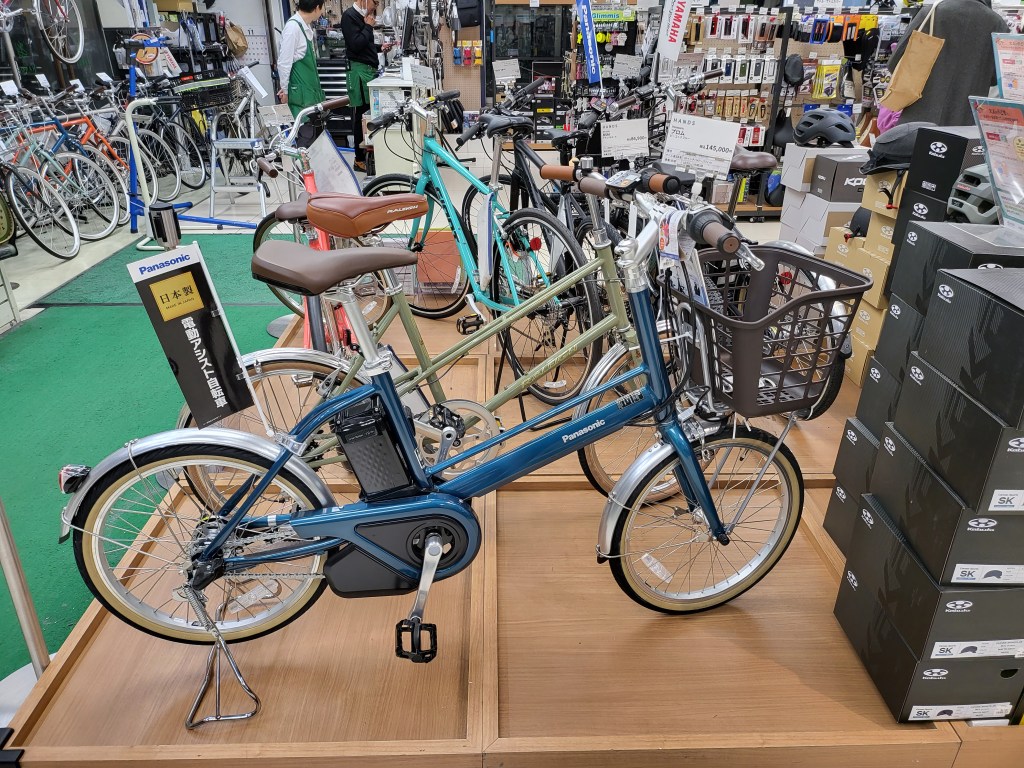
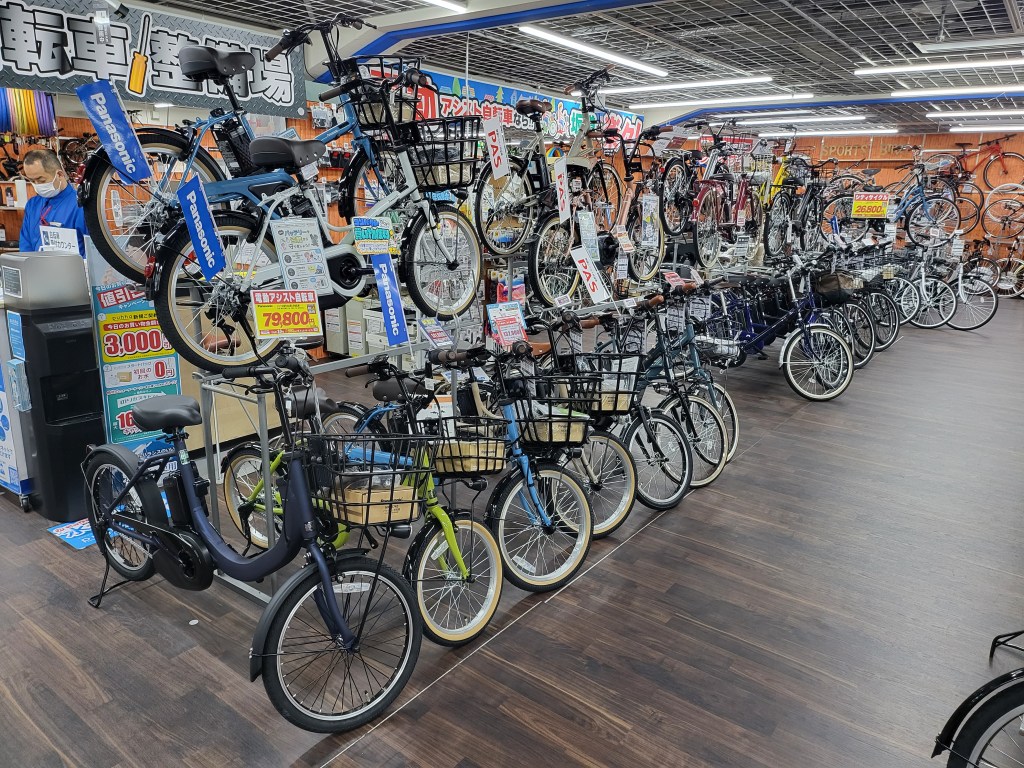
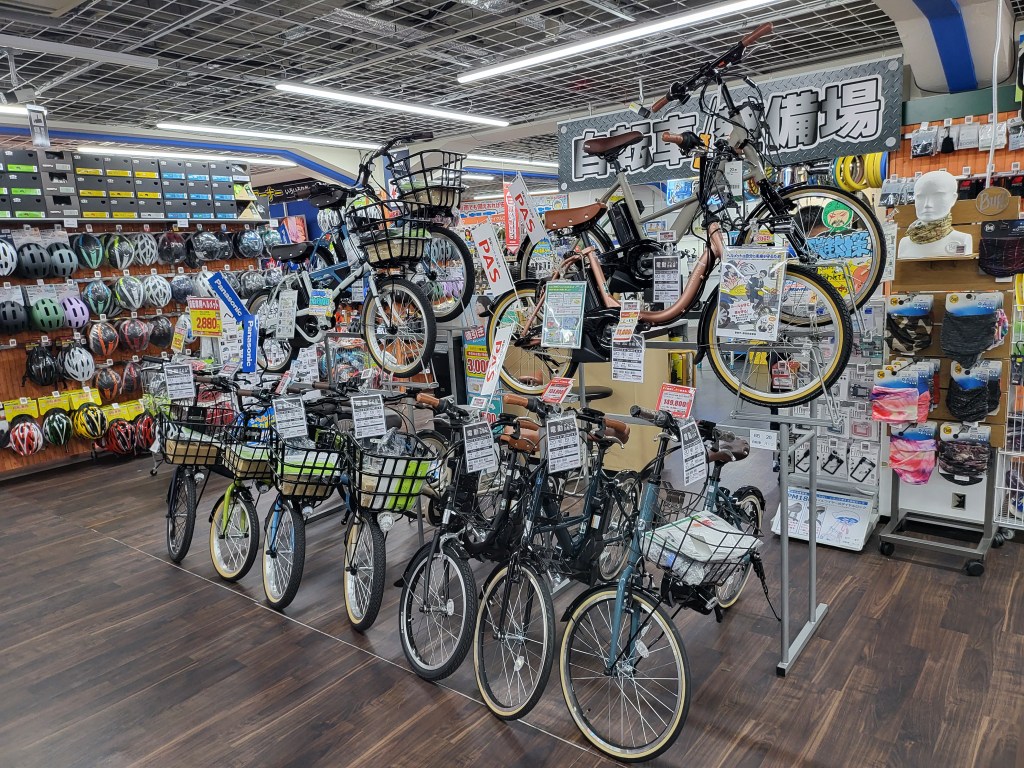
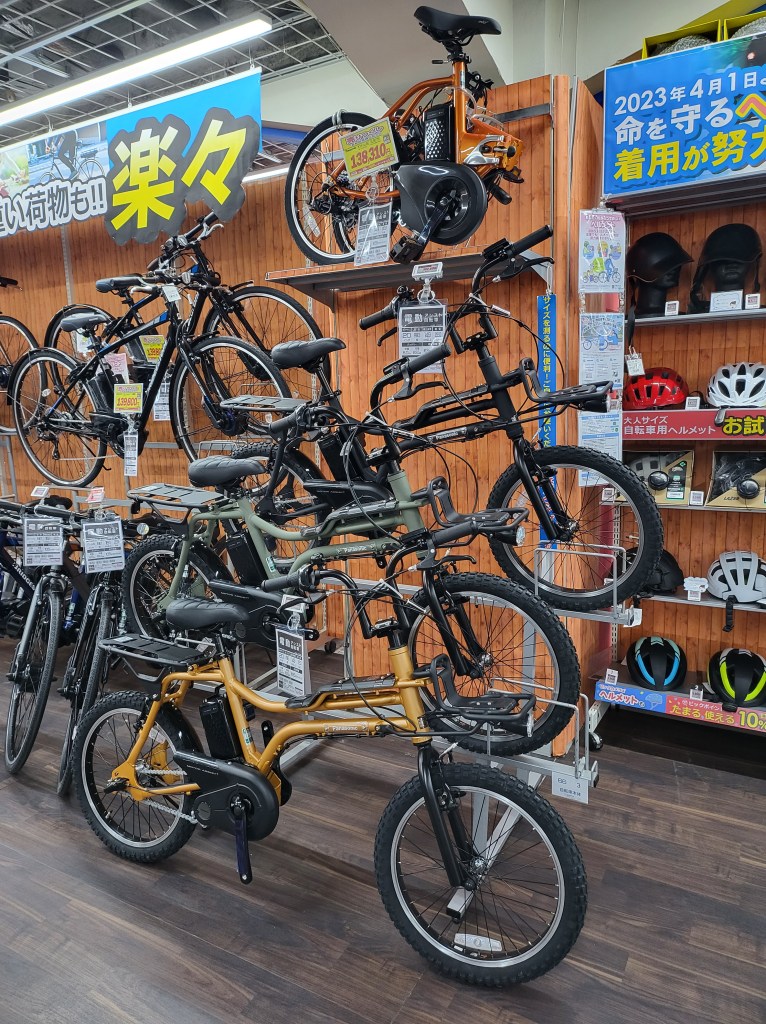
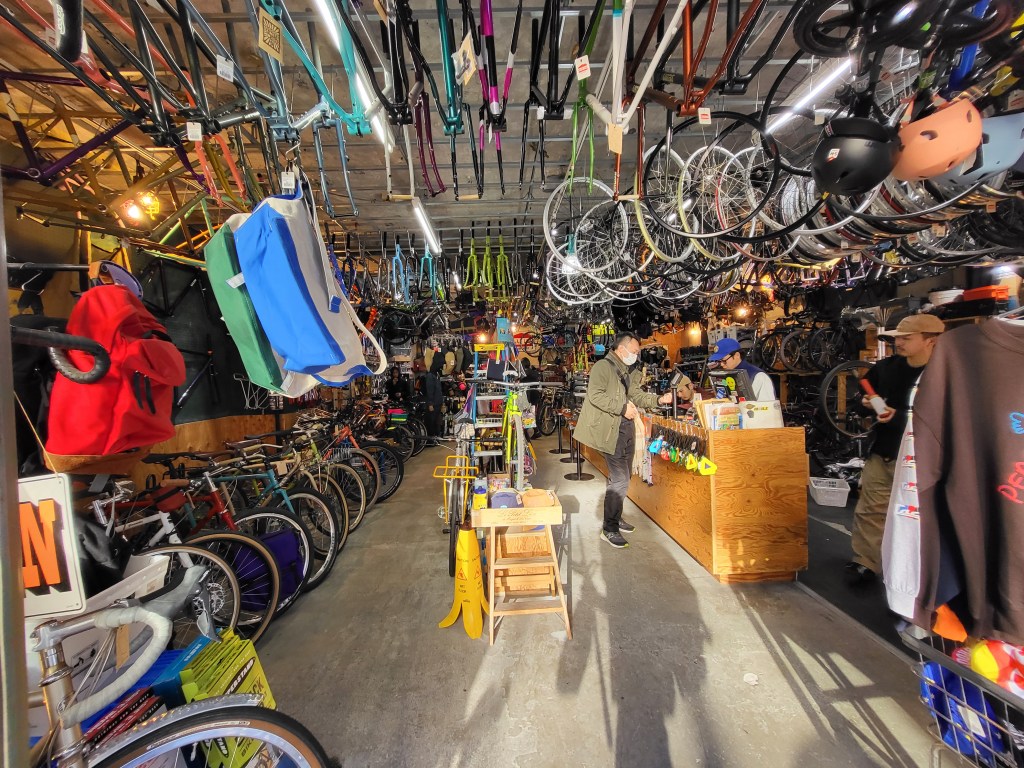
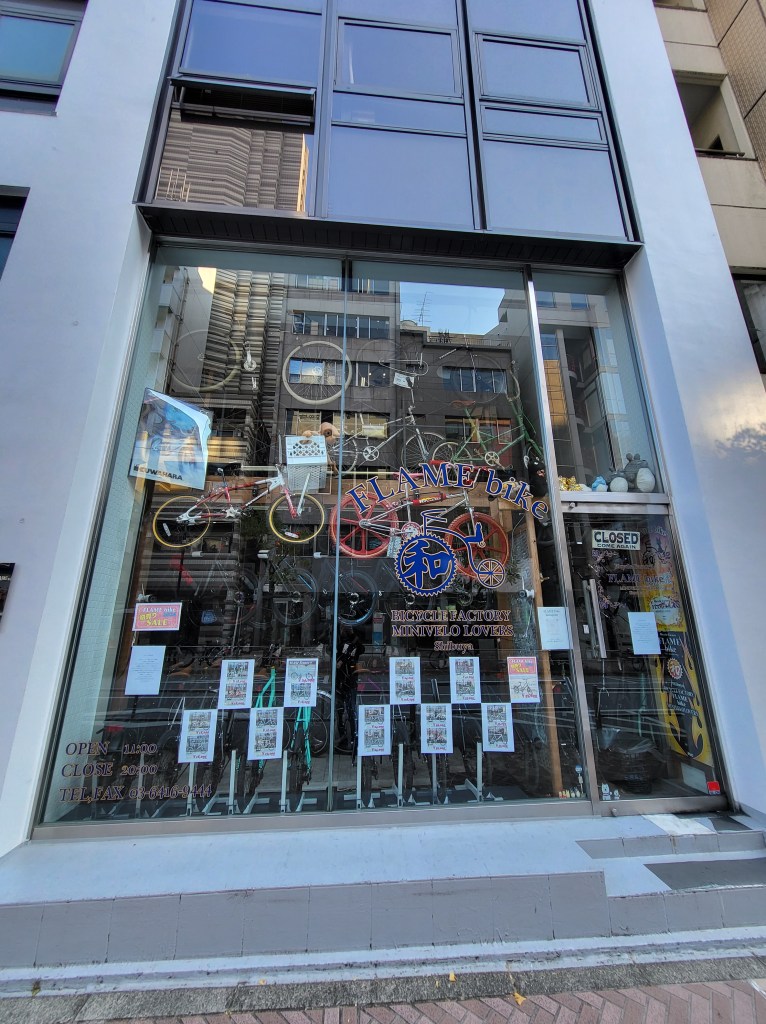
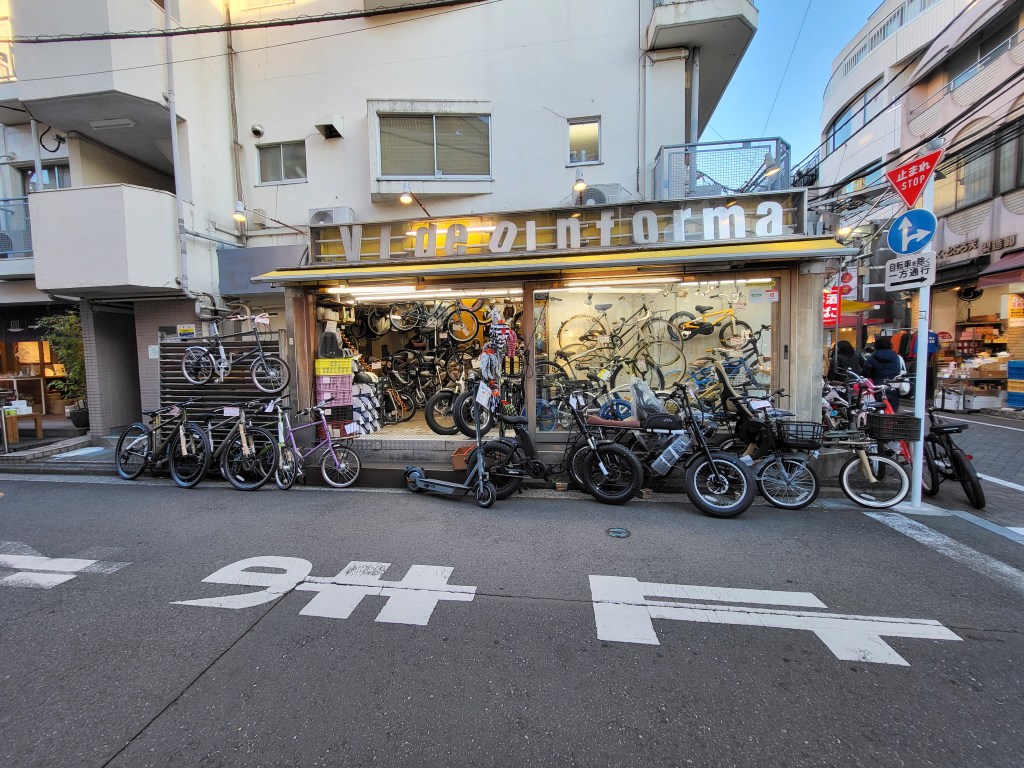
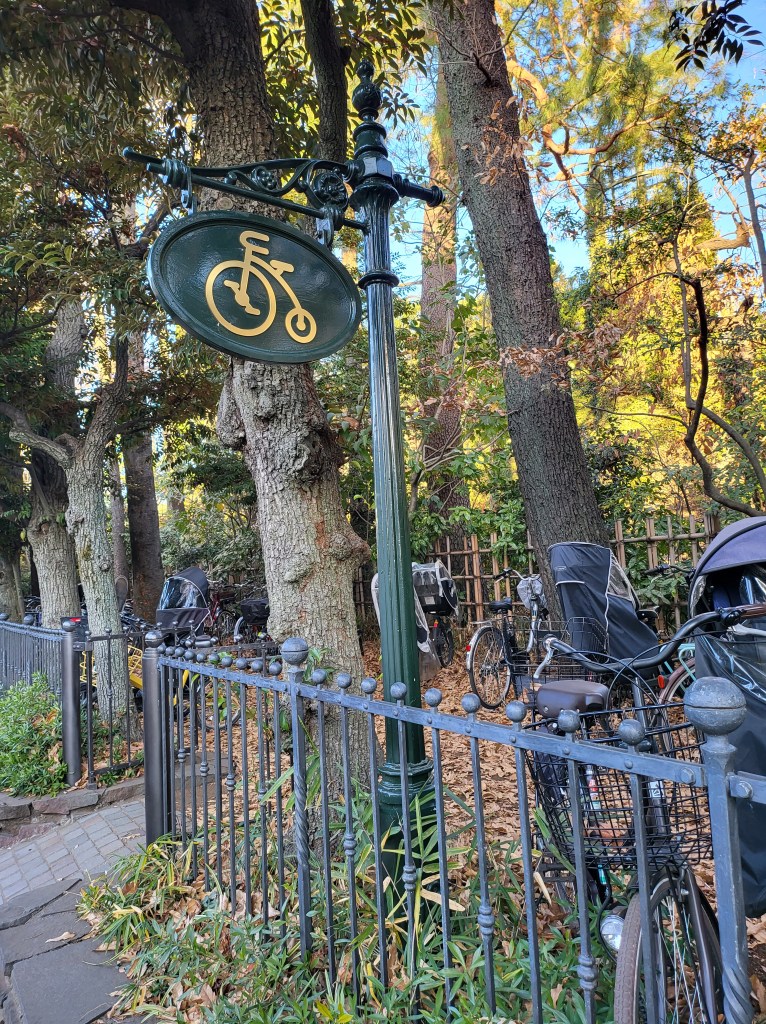
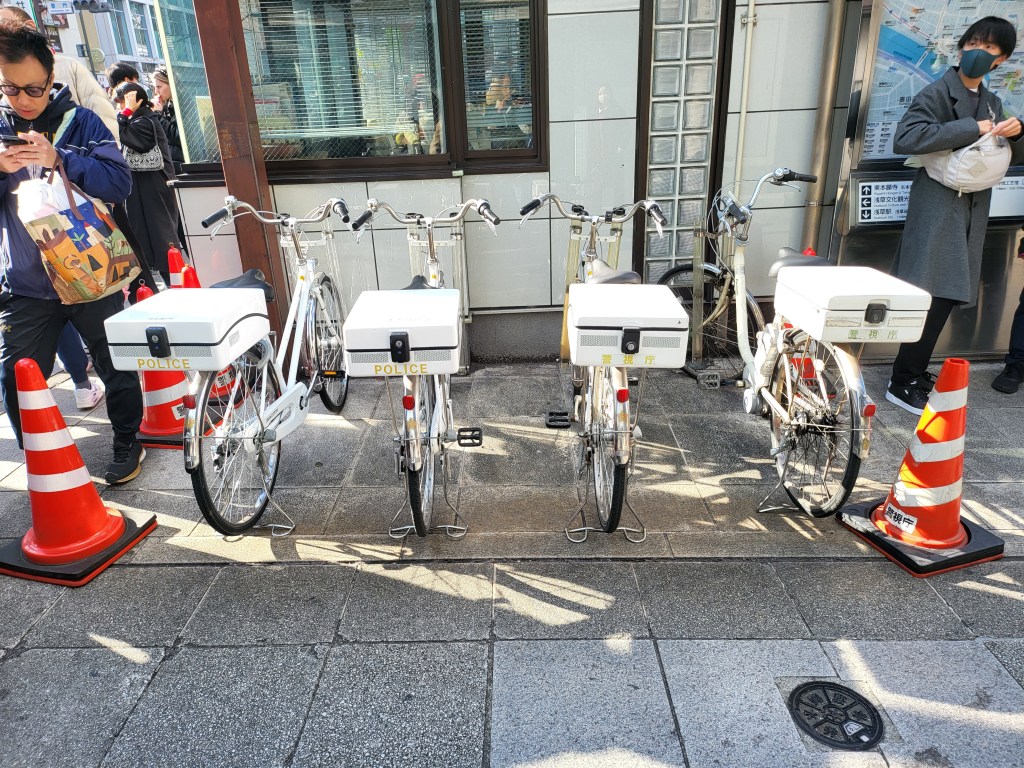
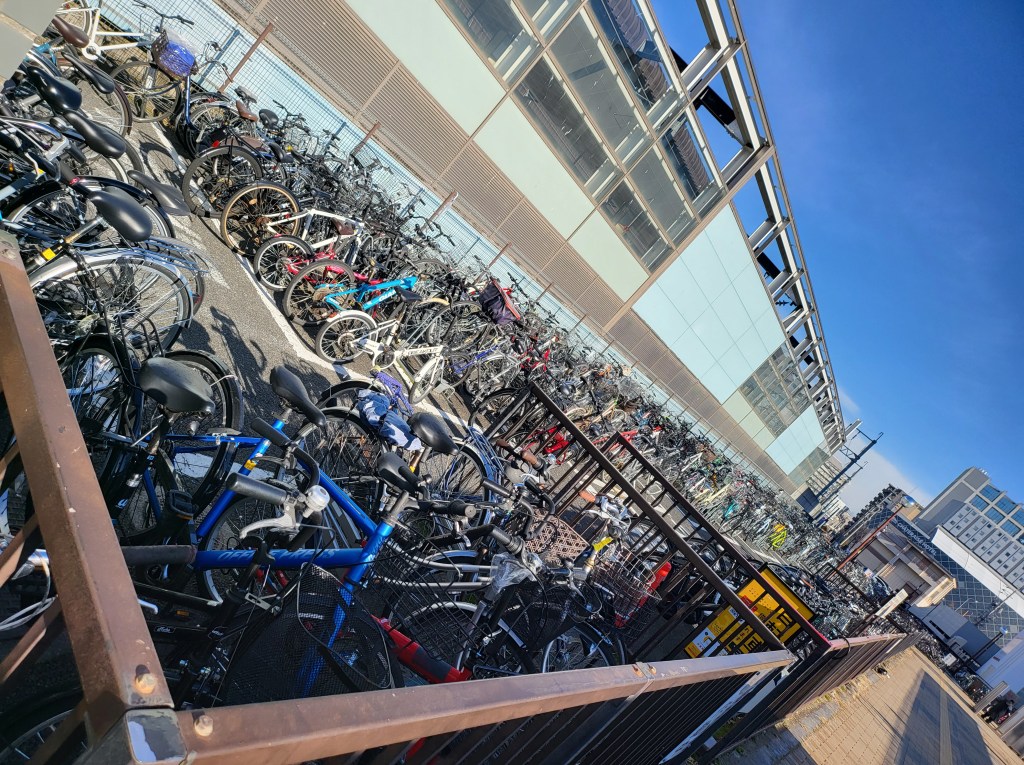
I took a trip to Japan this past winter, and suffice to say, these bikes were everywhere. Here’s a compilation of some that I saw.
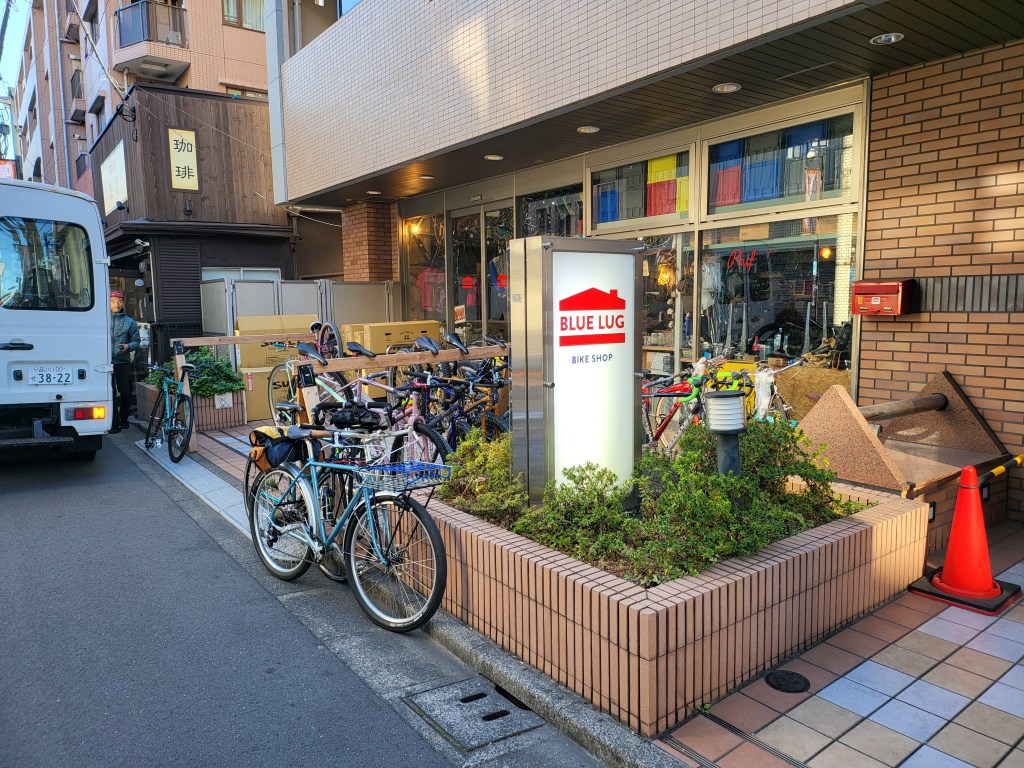
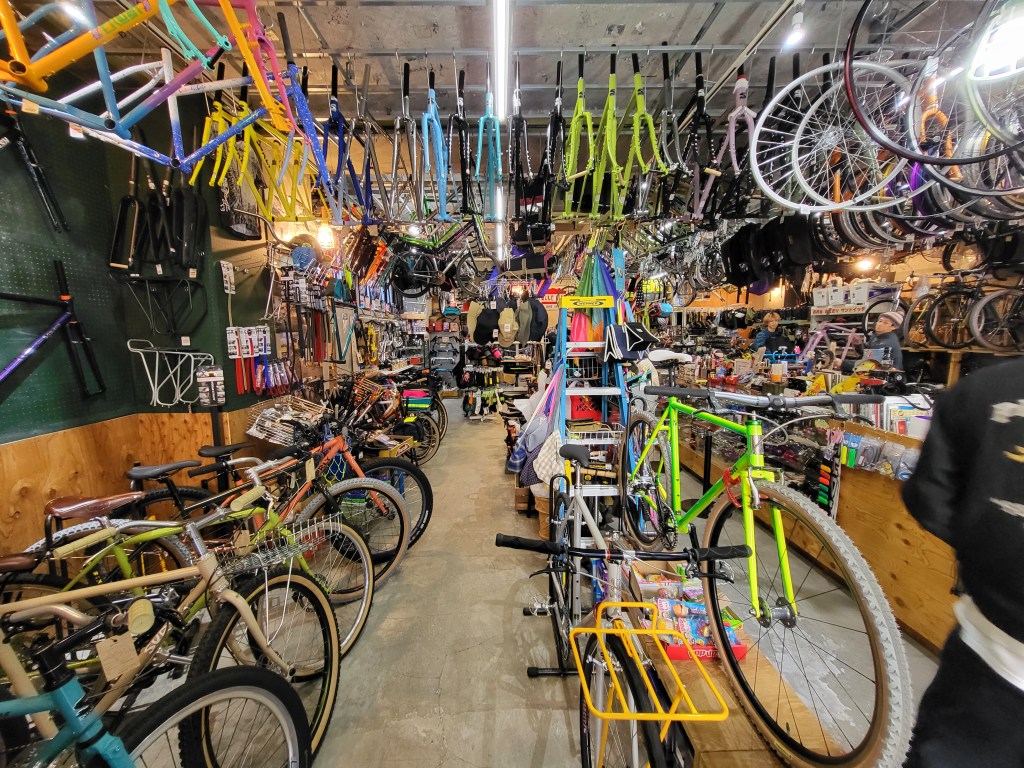
And of course, some photos of Blue Lug and other bike shops:
In particular, mini-velos have held a soft spot in my heart. The idea of small wheels and portability while offering near-normal bike fit/geometry and functionality is just kind of cool, for whatever reason.
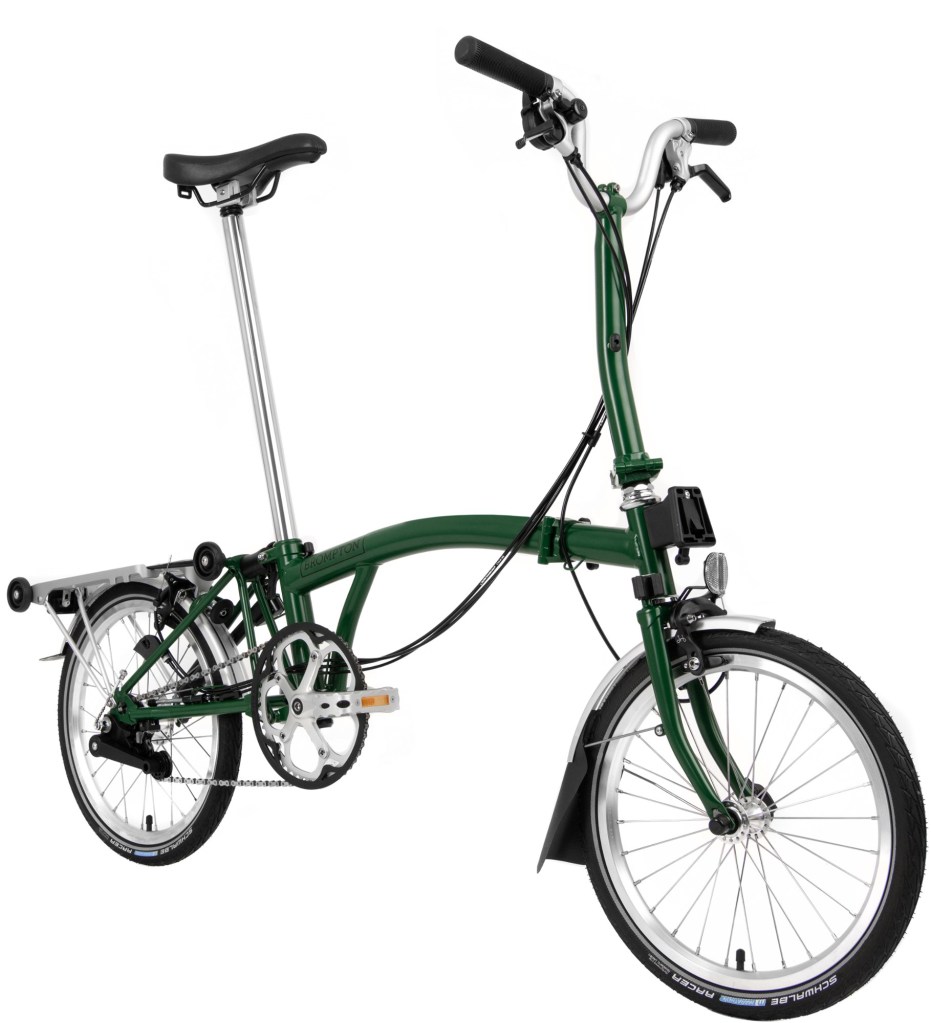
I’ve tried and researched countless variations of mini-velos currently available on the market, from the Velo Orange Neutrino (I have one, see the previous post), to Bike Friday, to Brompton, to more obscure/no longer made bikes such as the Mercier Nano, Orbea Katu, and Cannondale Hooligan.
All of them have a pretty glaring flaw for what I’m looking for, which is that the geometry is kind of terrible for any relatively aggressive mountain biking. They’re all designed around riding around in the city, meaning they have steep head tube angles, shortish reach/slackish seat tube angles, and front end geometry that’s not conducive to supporting a proper front suspension fork, like really long head tubes, and short fork axle-to-crown lengths for 20″ wheels.
All I wanted was a bike frame with relatively modern mountain bike geometry, but adapted for small wheels. So, I made one. Or two, rather, since I had two different manufacturers make me a frame with the same geo.
End result(s):
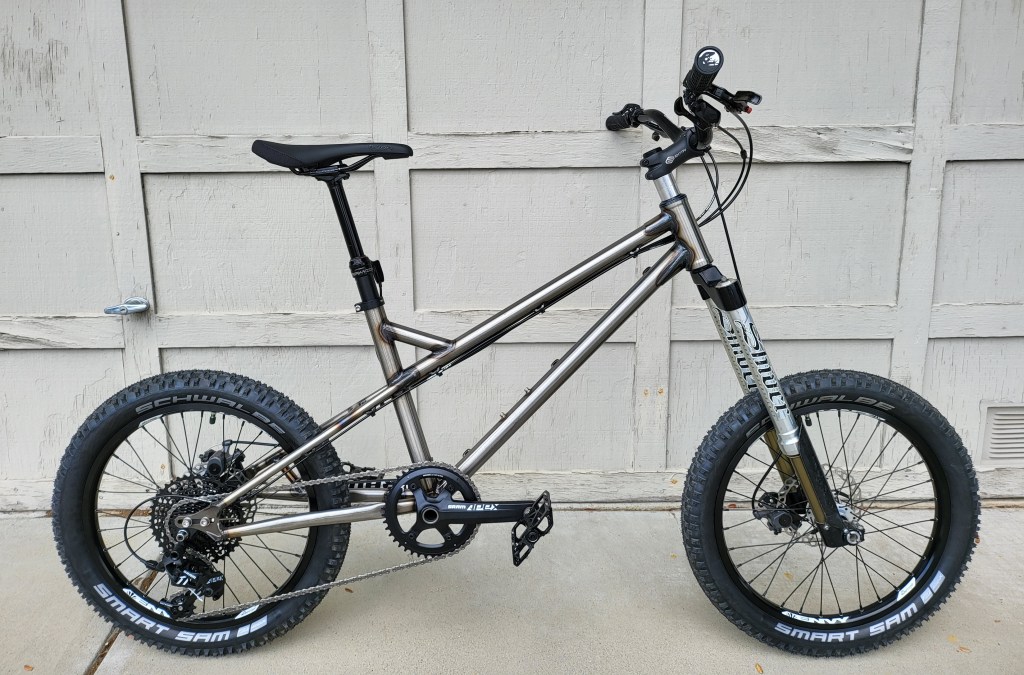
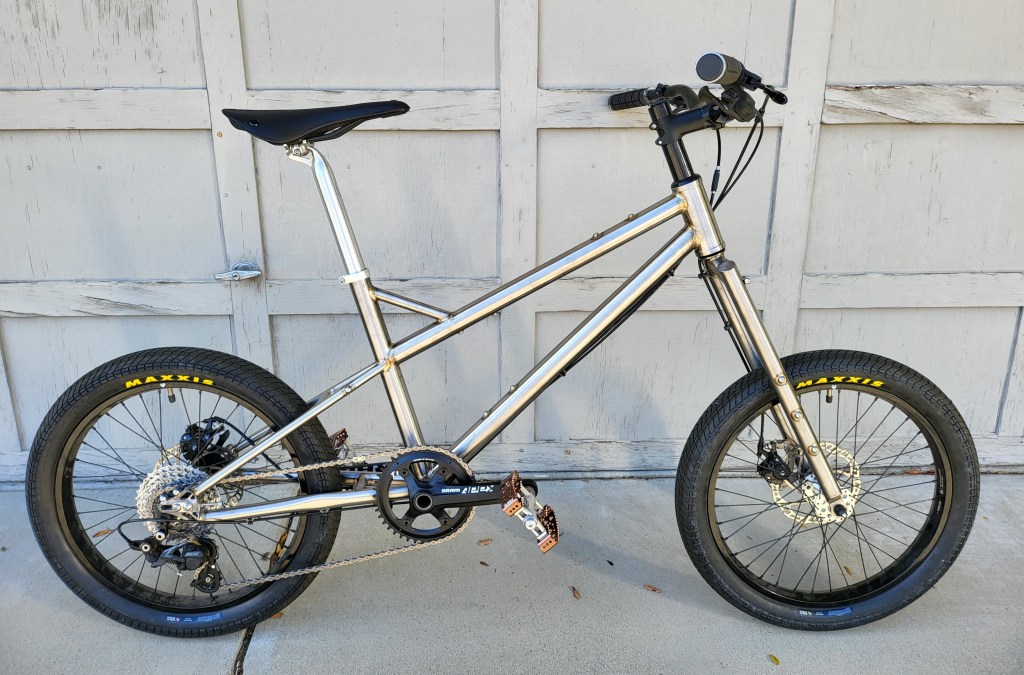
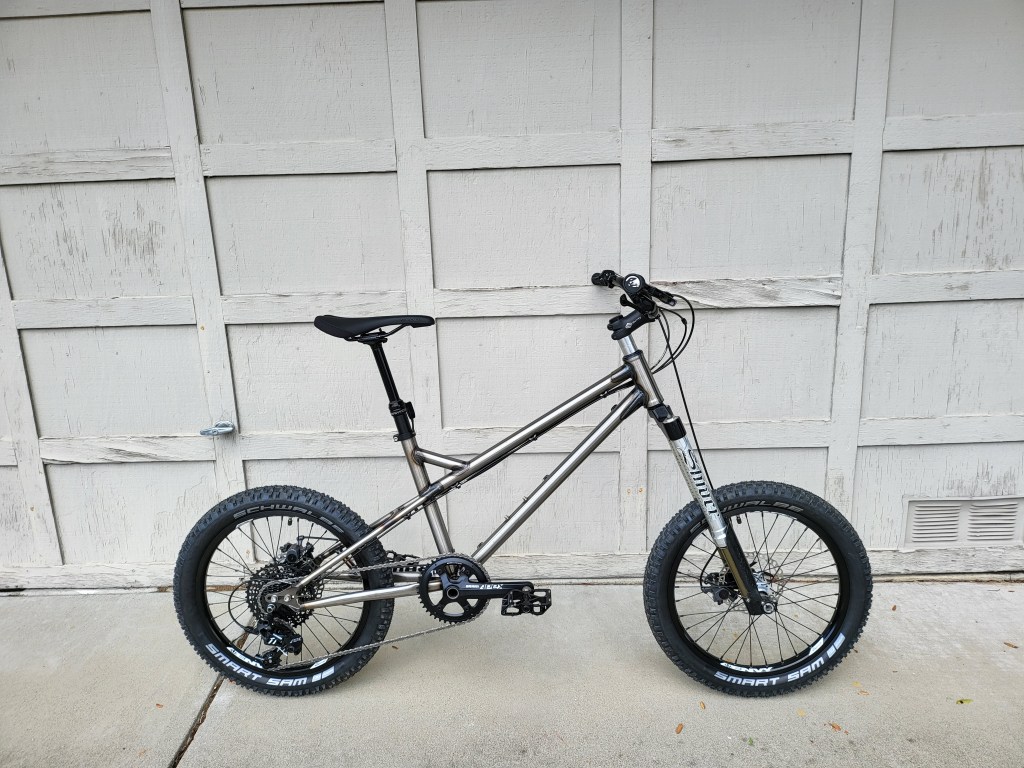
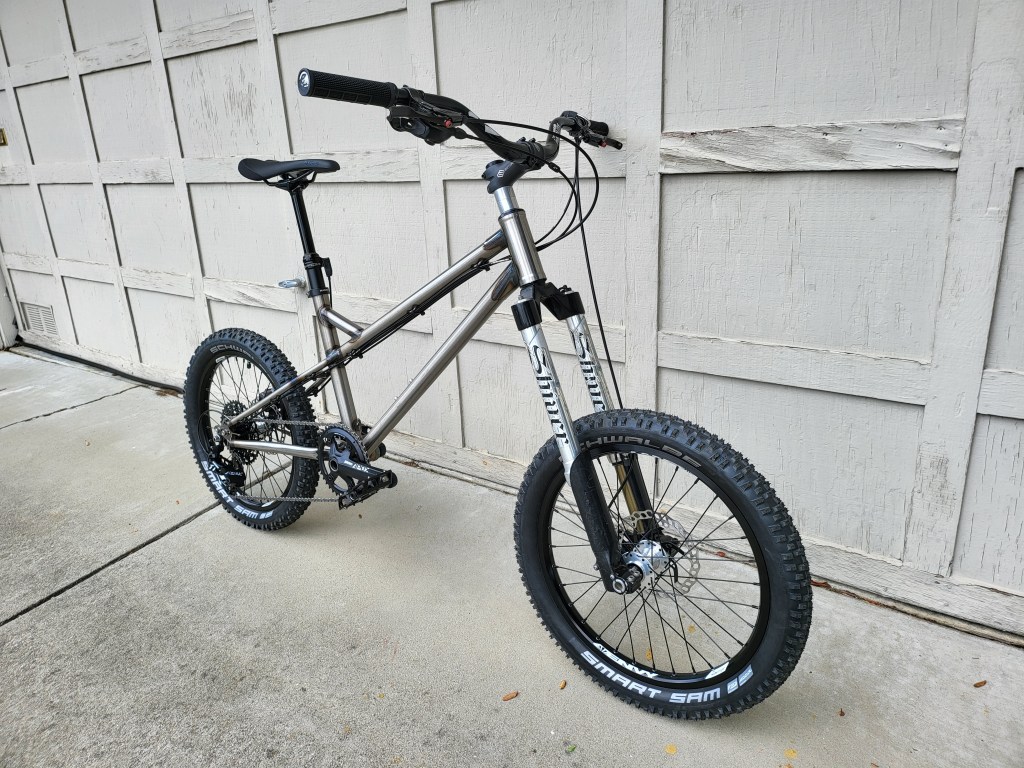
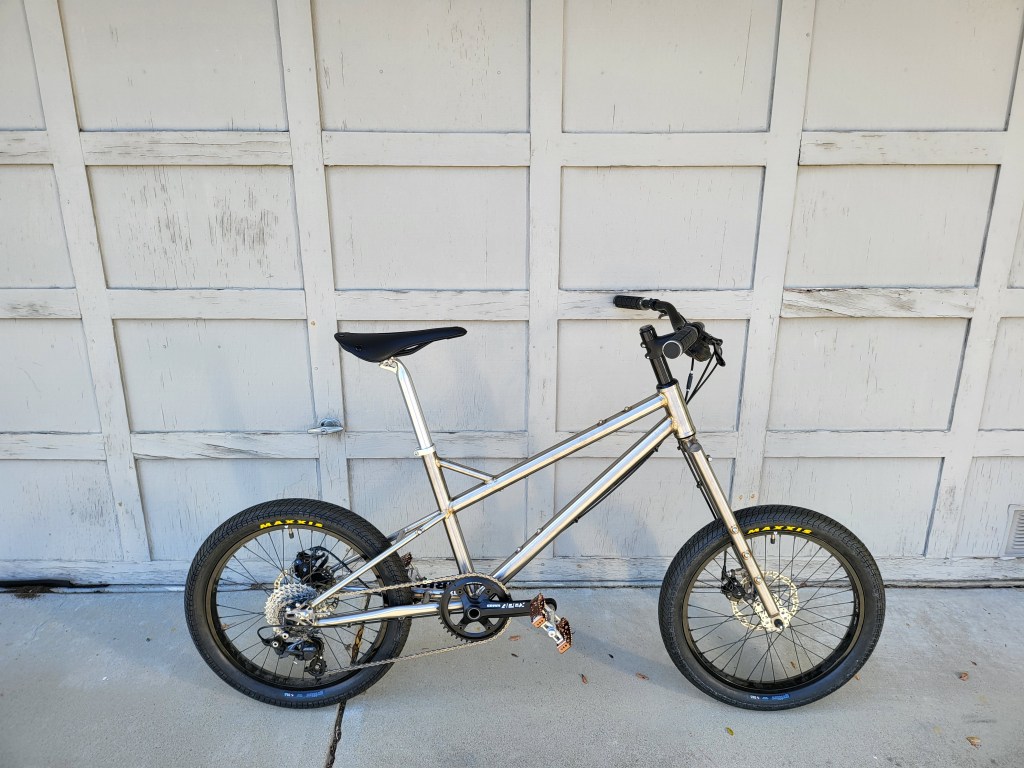
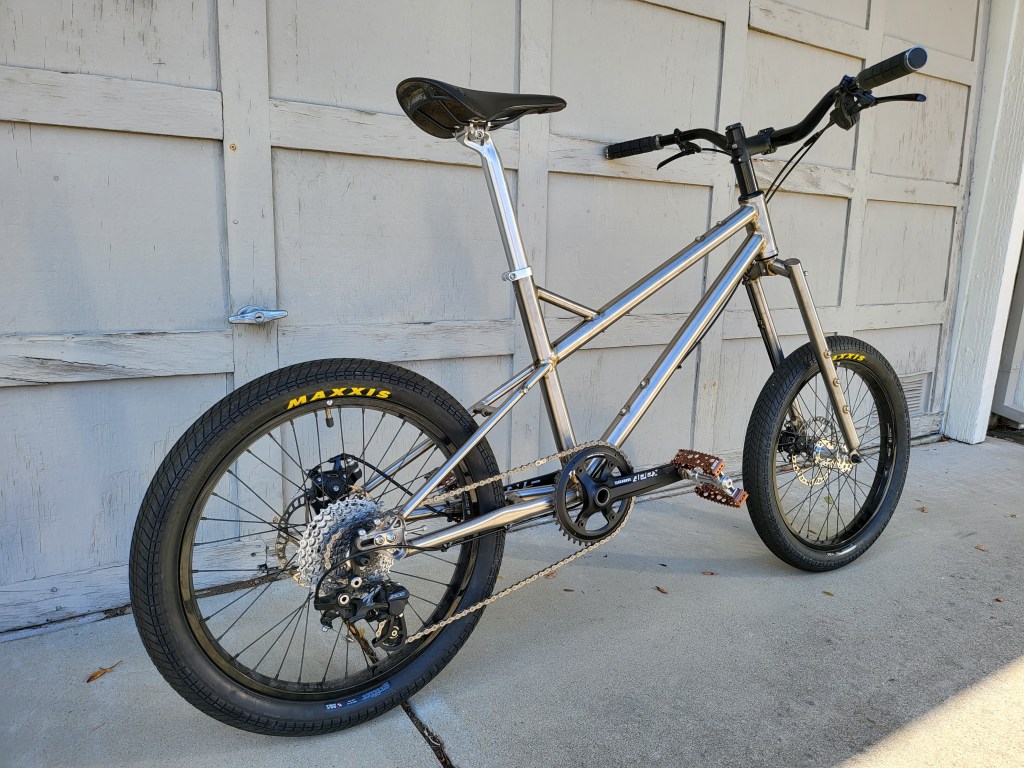
Two custom bike frames designed by myself, built by two different manufacturers (one in Peru, one in China), with the same geometry, set up for different purposes.
The top one is set up like a normal hardtail mountain bike, with a chromoly steel frame, knobby tires, a dropper seatpost and front suspension. The front fork is actually quite retro and cool in itself, it’s an old single crown Marzocchi Shiver from 2002, one of the few inverted single crown fork designs that have ever existed. I chose this fork because there’s just nothing quite like old-school Marzocchi, and inverted single crown forks don’t have the lower crown, so it looks much more like it was designed for this bike from the beginning. I did have to build the wheels for this bike specifically to accommodate the old 20x110mm non-Boost axle standard used on this fork, using Hope Pro4 hubs and Sun Ringle Envy rims.
The bottom one is set up more for simplicity, light weight, and travel. It’s a titanium frame as opposed to the steel frame on the mountain bike variant, with a rigid fork and seatpost, lots of mounts for strapping on cages and bags, and semi-slick BMX tires. All of these parts I stole off of my Velo Orange Neutrino, which is sadly now stripped down to the frame. That bike was just too twitchy to ride for my preferences.
The geometry and CAD design that I created that was used to make these frames:
To sum up, this is a relatively average modern “medium” sized mountain bike geometry, with average head tube angle at 67 degrees (much much slacker than the super-twitchy 73 degrees on the Neutrino), average-ish 74 degree seat tube angle (compared with 72 degrees on the Neutrino), effective top tube of 580mm, and reach of roughly 430mm (compared to 406mm on the Neutrino). Generally, the steeper seat tube angles on modern mountain bikes necessitate a longer reach, and vice versa on older/more traditional road-oriented frames, in order to maintain the same relative feel between the saddle and the handlebars.
The main difference on this bike is the bottom bracket rise of 20mm, compared with more typical bottom bracket drop of roughly 50mm on normal 27.5/29″ mountain bikes. This is to raise the bottom bracket to a normal ground height with the much smaller 20″ wheels used. The chainstay length is also relatively average, at 410mm-425mm adjustable, which matches relatively well with the reach measurement for balance.
The frame was designed around a fork axle-to-crown (A-C) length of 480mm, which is the average A-C length of suspension-corrected rigid forks on the market. This means that the bike can accommodate suspension forks designed for normal 27.5/29″ mountain bikes with roughly 100mm of travel, something no other 20″ mini-velo on the market is able to do, at least that I’ve seen.
The other numbers are mostly for stylistic choices, I wanted the seat stays to be in line with the top tube, then have a gusset tube for the seat tube so it can extend to a relatively normal length without an extraordinarily long seatpost.
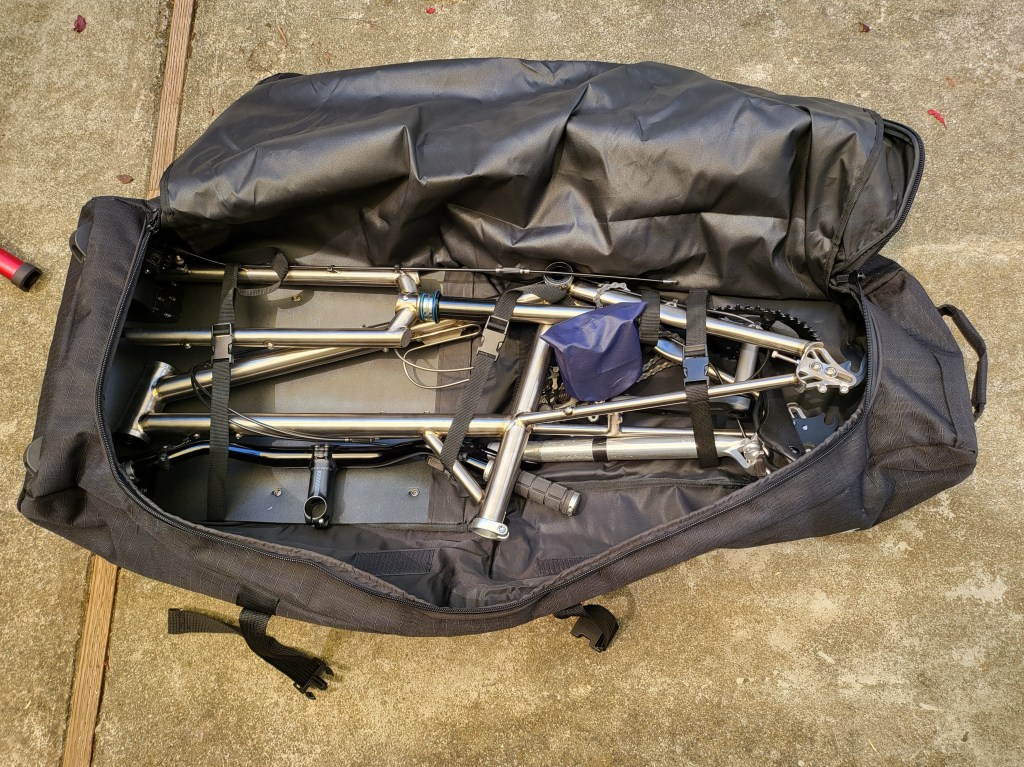
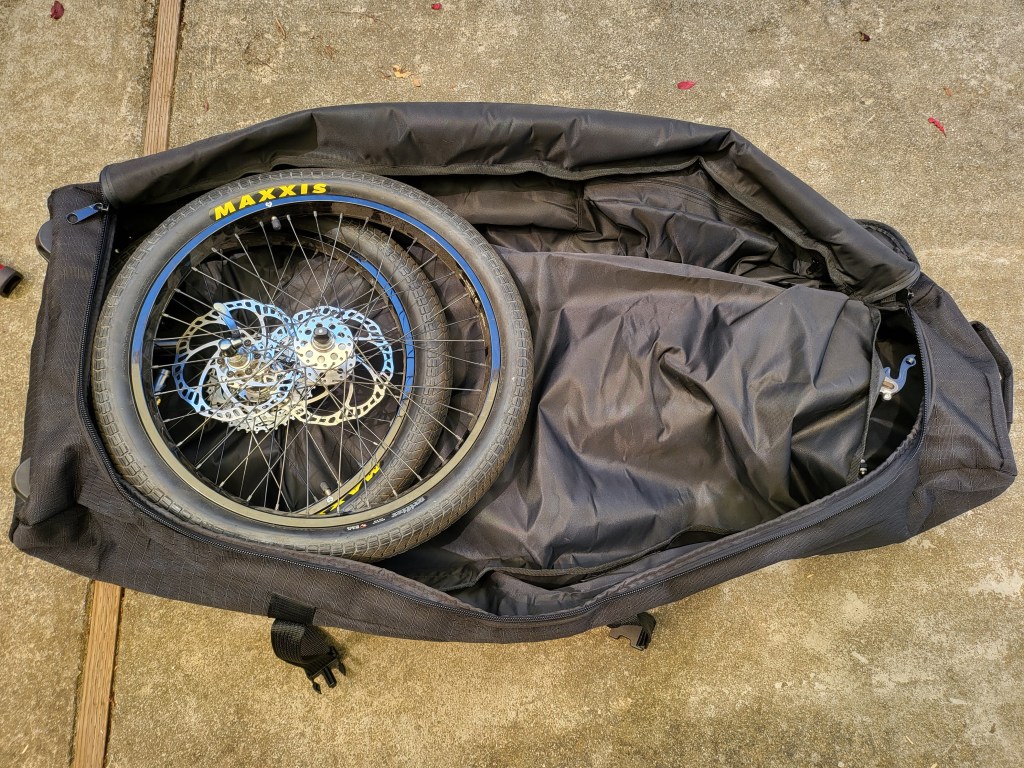
Ultimately, this design lends itself to being able to be packed into checked luggage, with the smaller wheels, and narrow frame dimensions (in the vertical plane), which means I can bring this bike with me much more easily when traveling than a full-sized bike. The whole thing can be put together with a standard bicycle multi-tool.
As you can see, it fits with plenty of extra space for padding, protection, and even clothes and helmet.
I’m pretty excited to use this bike a bunch in the future, it absolutely shreds on the pump track and around the neighborhood. Can’t wait to see how it does on trails and on trips.
Ended up selling the motorcycle, the Surly Krampus, and the red DJ bike recently, all bikes that I just did not ride as much as I wanted to. The motorcycle especially was struggling in storage, the fuel (despite being treated) was not aging well and the bike was getting hard to start. It needed someone who would ride it.
However, silver lining, with these bikes gone, I had room to build more bikes.
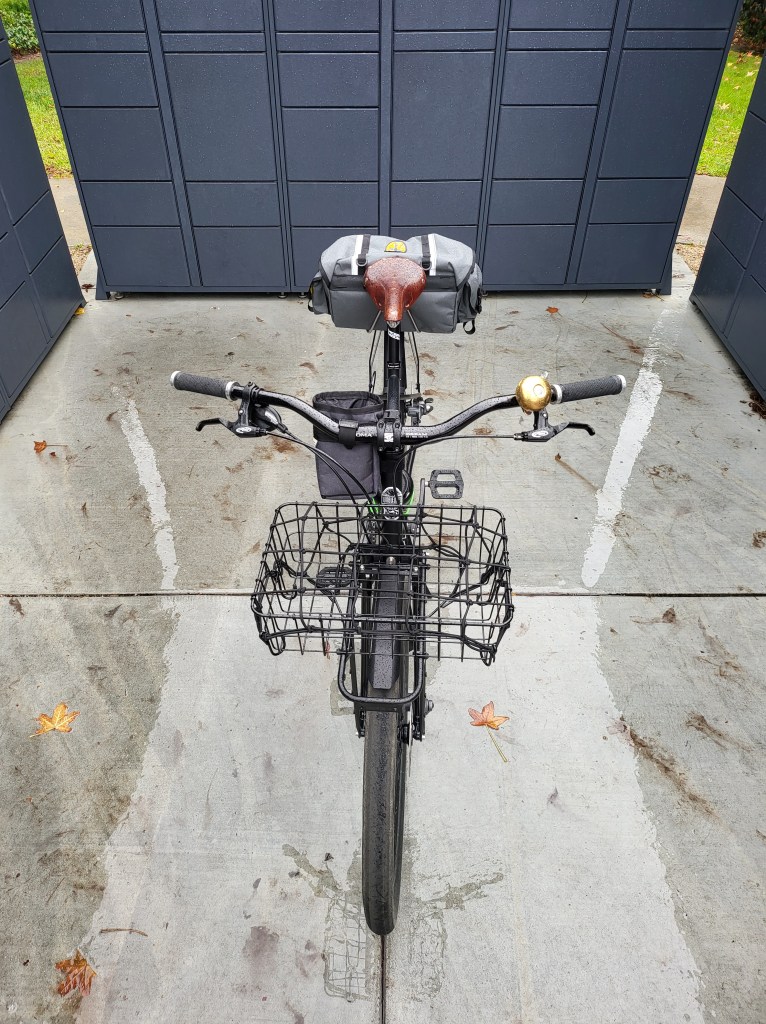
Starting with this one, the most successful basket/townie bike yet:
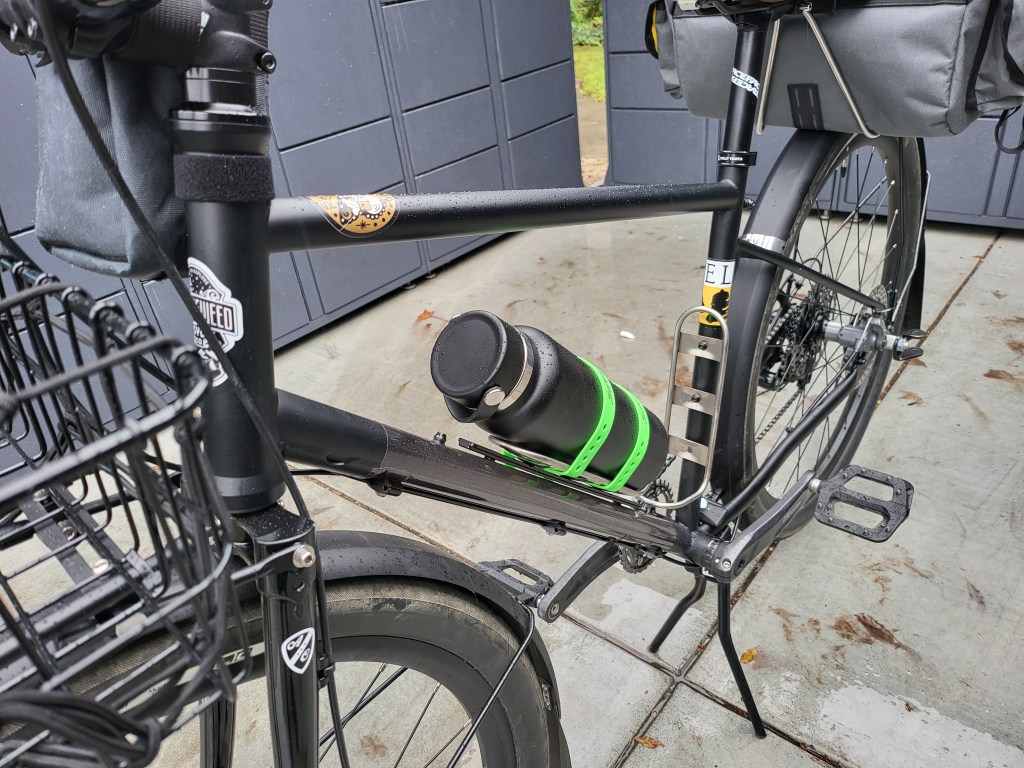
Scored a really cheap Marin Four Corners frame to use as the base for this. Covered up all the frame logos with stickers, including a large black reflective vinyl for the downtube (to increase visibility on the street). This frame is supposed to be a drop bar tourer/gravel/adventure bike, but it has a longer reach than is standard for a similar drop bar bike of its size, which means it works well for a flat bar conversion.
This Marin frame also generally is a bit more heavily built, with thicker tubing, which means it’s stiffer and should handle better when loaded down with some weight. This was the biggest issue with the previous Soma Wolverine build, which turned out to be a bit of a noodle when loaded down, just flexing everywhere.
I used an All-City Gorilla Monsoon fork, again another adventure bike. Comes with a 12×100 thru-axle, mounts galore, and again is more heavily built compared to the Wolverine. Plus, the aesthetic of curved fork blades is a nice little retro touch, I think.
This frame originally was meant for 700c gravel wheels/tires, but I ended up mounting fatter 650B Panaracer Gravel King tires with full fenders from Portland Design Works. The bottom bracket height is dropped maybe 1/2″ as a result, ending up at 10.5″. A little bit low, but not crazy low. On a casual cruiser like this one, it works, adds a bit more stability and ease of mounting/dismounting around town.
The wheels are some cheapish FSA set, but they came with end caps for 12×100/15×100/QR, 12×142/QR, which is super convenient for adapting the wheels to pretty much any older bike.
The cockpit consists of my old Brooks B17 Narrow saddle that I first acquired all the way back in college, with Soma Dream handlebars cut down to 760mm. These bars have a nice rise and swept back position for a comfortable and upright riding posture.
Brakes and drivetrain are nothing special, more or less a parts-bin mash-up of Hayes MX-2 mechanical disk brakes, Avid FR-5 levers, SRAM Rival rear derailleur, NX 11-42T 11-speed cassette, SRAM S700 shifter, Shimano Deore 30T crankset, Race Face Chester pedals.
The accessories and rack/basket/bag setup really work well together this time. Swift Zeitgeist bag with a Carradice Bagman cradle, Tumbleweed T-rack on the front with a Wald 137 basket, Outer Shell stem bag, and two King Cage titanium cages with Voile straps to accommodate massive water bottles, or anything else that needs to be strapped in. There’s a little trailer mount on the left side of the rear axle too, for pulling a small cargo trailer if needed. And can’t forget the kickstand! A Pletscher two-legged thing that all folds up to the left side of the bike. It’s really nice to be able to have the bike stand on its own to load without the front basket flopping to one side.
This is the first bike that has really felt comfortable to ride while fully loaded down with a bunch of weight in the front and the back. The front end is actually stable, and the bike doesn’t flop around everywhere. I may keep this one.
The next bike is a move towards the opposite side of the spectrum, somewhat:
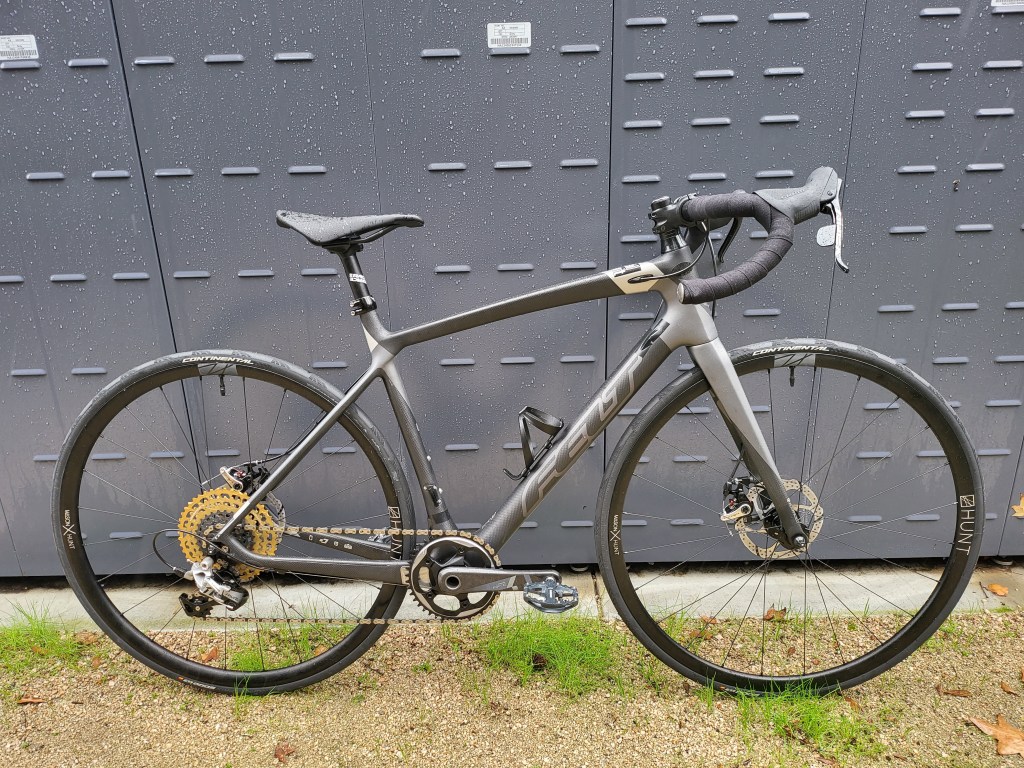
Scored a Felt ZW C frameset for what I thought was a decent deal, wayy cheaper than any modern carbon road bike frameset. It’s technically a women’s frame, but what is gender, anyway? The color scheme is simple and looks nice, and I’m a smaller person.
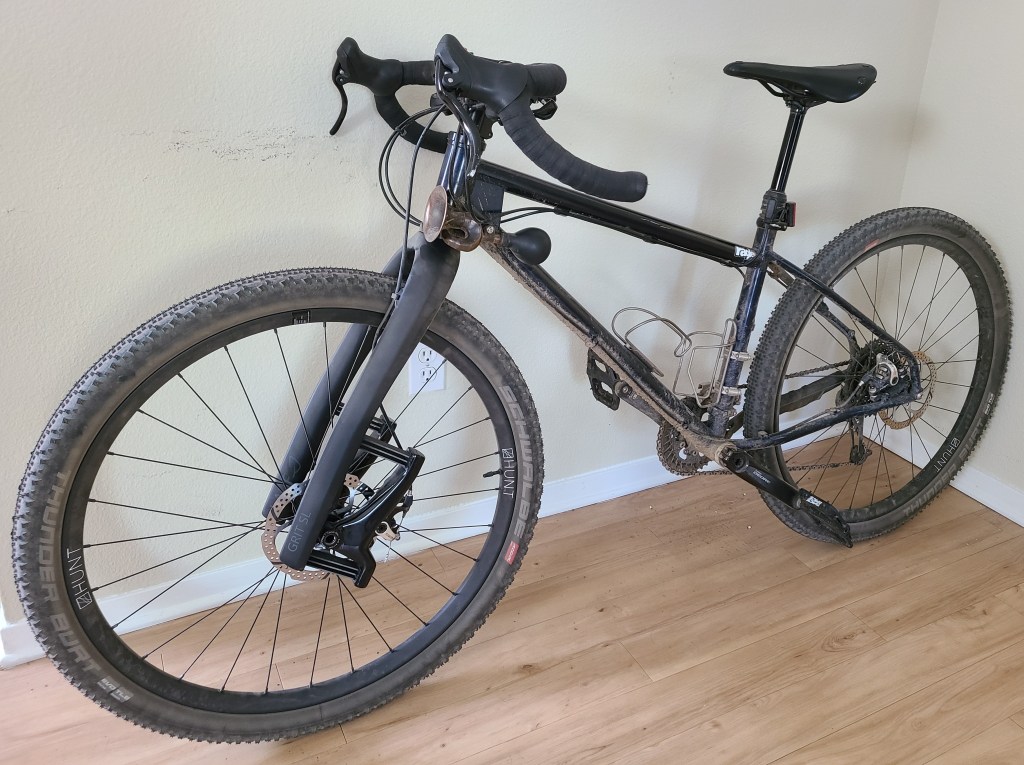
Used a bunch of leftover parts, combined with some select new ones. It’s got a Hunt gravel wheelset with Continental GP5000 700x25c tires set up tubeless, TRP Spyre Brakes, SRAM 1x Force/Rival/Apex drivetrain with a 9-42T Leonardi Racing cassette, and a mixed parts bin cockpit. The stem is super short, but this is mostly just me not liking the super long and laid out positioning on road bikes, I prefer to be a little more scrunched up with bent elbows to get low and aero.
Came out to just over 18 lbs. wet, without any particularly lightweight parts on it. Should be pretty fast.
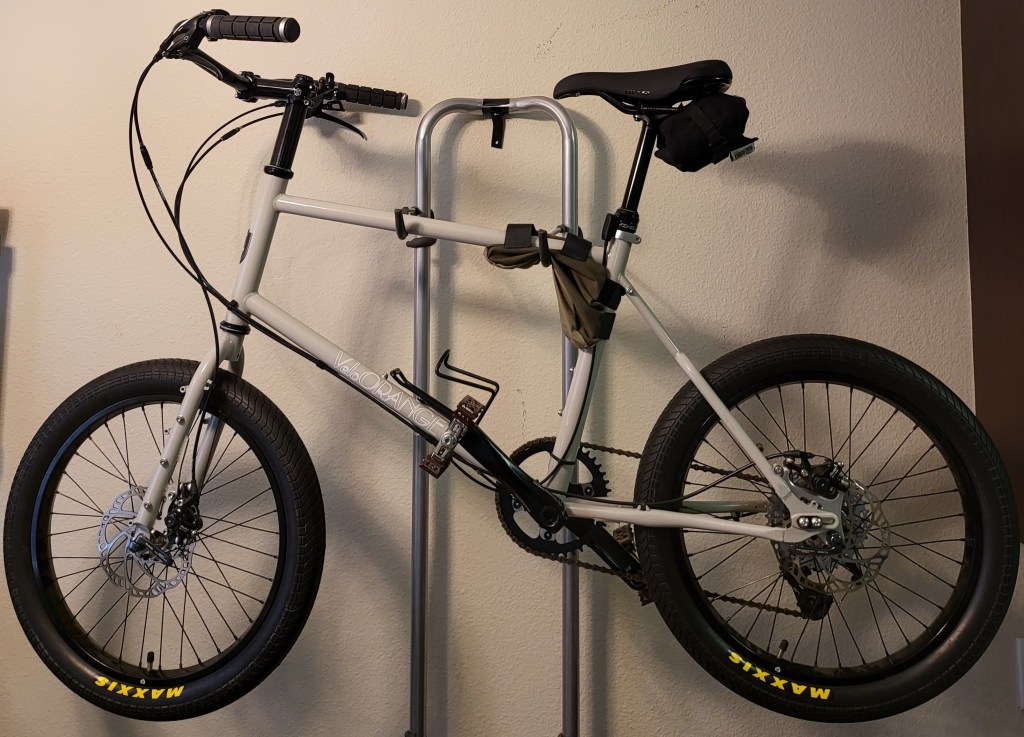
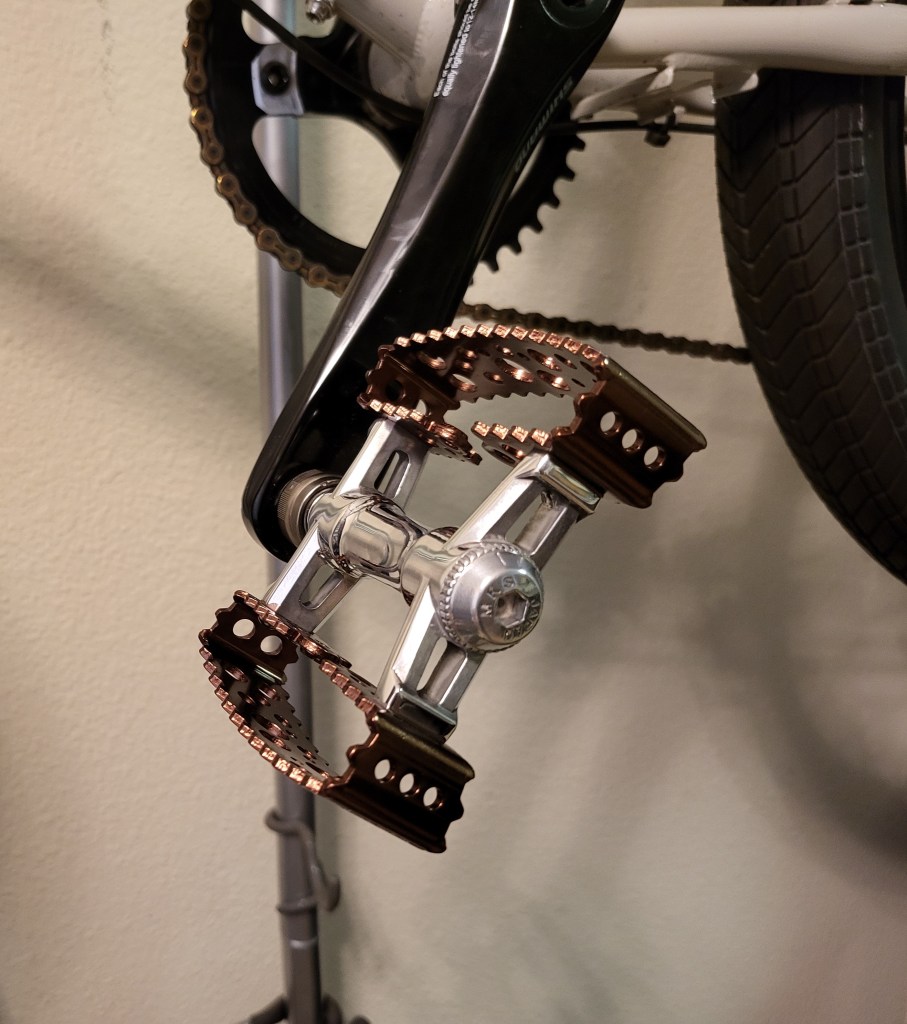
The next build is more just a slight modification to the Velo Orange Neutrino, swapped the Soma Clarence handlebars for the even more casually swept-back Soma Oxford. I just like being comfortable, these days. Then added some blingy pedals, the SimWorks Bubblys, which have a slick quick-detach system, keeping in line with the bike being small and meant for ease of transport.
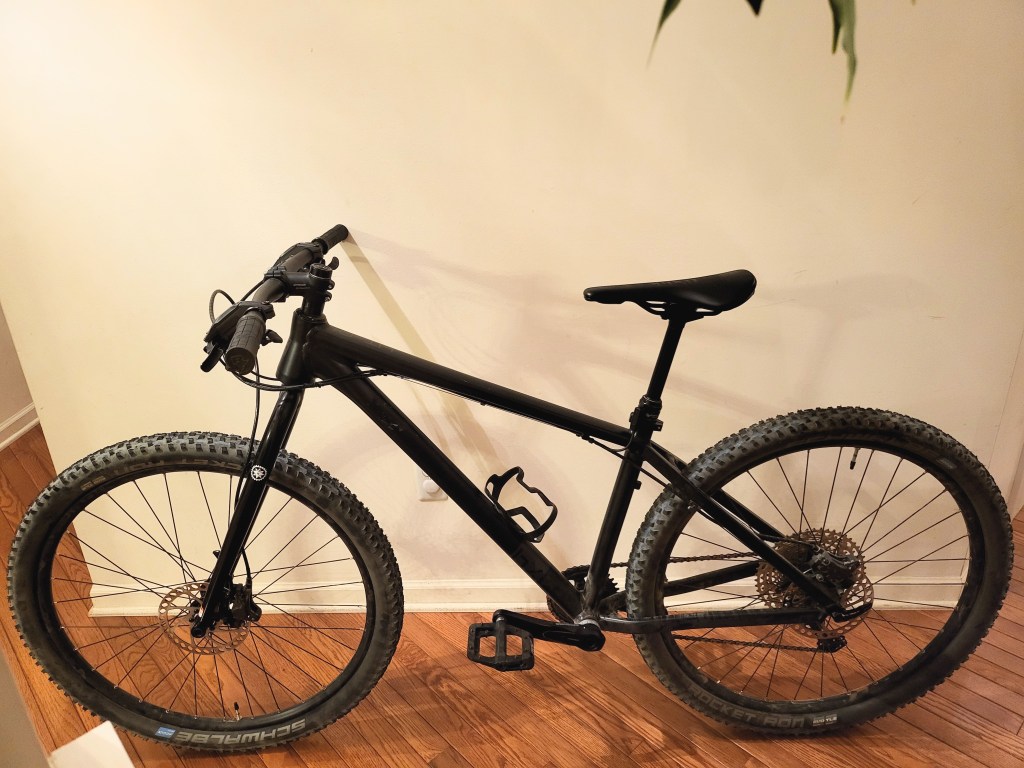
Lastly, of course after coming home for the holidays, the first thing I did was build the bike I shipped back home, in case I feel like riding in the middle of winter in Michigan:
I went a little crazy building bikes during the last two years as a way to keep my hands busy. Most of these bikes I’ve sold, a few I’ve kept. Most are weird builds, just because I like to try different things.
Starting from my current bikes that I’ve kept:
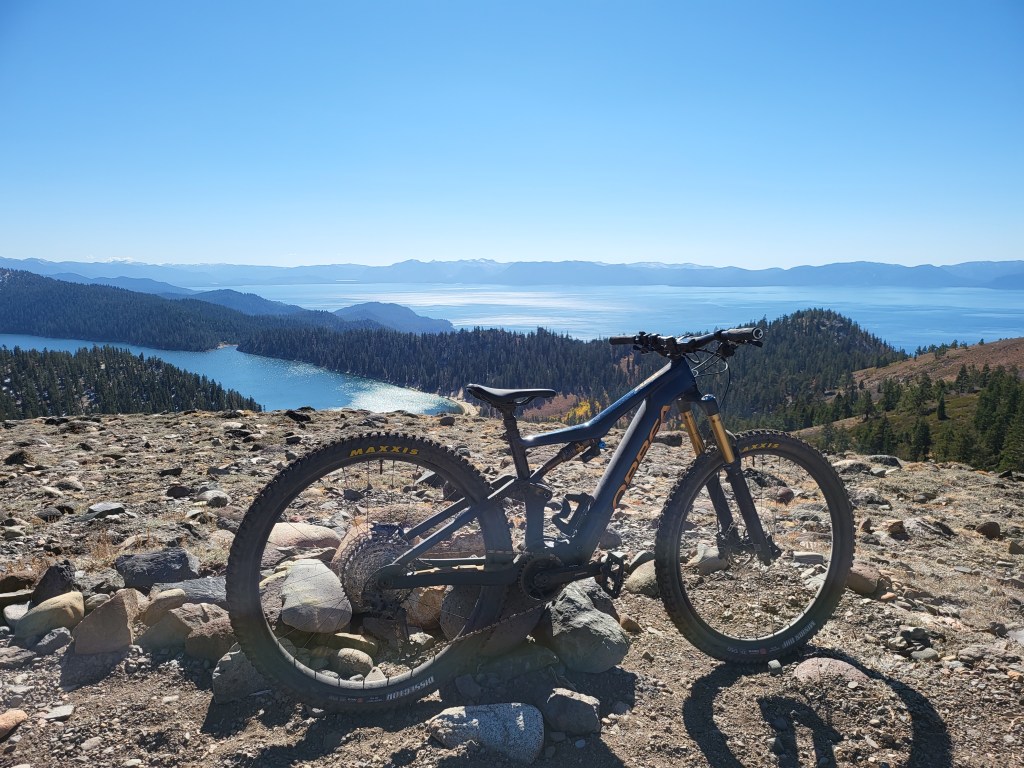
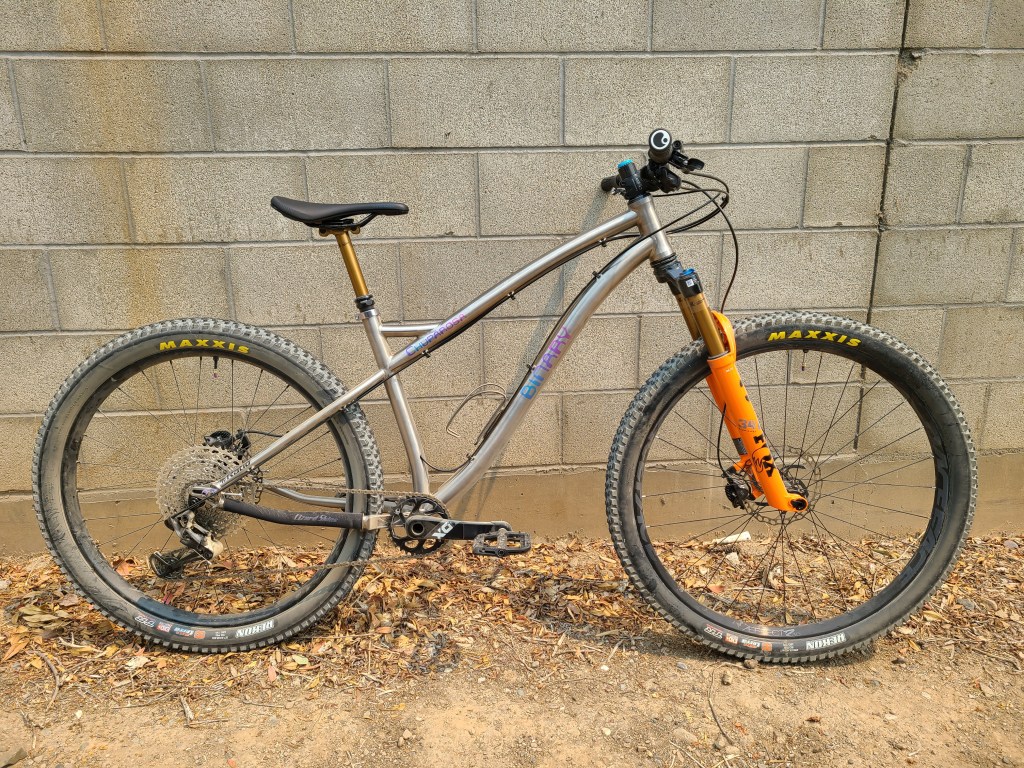
Orbea Rise, eMTB. Electric mountain bike, a ton of fun. Makes doing big elevation rides a lot easier. My current main ride.Binary Bikes Chuparosa. Titanium hardtail, 29″ front, 27.5″ rear wheel. Keeping it, I just can’t stop looking at it.Franken-Pig: 2011 Ragley Blue Pig Mk II, 650b drop bar monstercross conversion. I’ve had this frame since new. So weird, I love it. Most of the history of this bike has been documented here: https://liuandrew.com/bikes/Velo Orange Neutrino, 20″ mini-velo that fits and rides almost like a normal bike. Lives in the van.
Now onto the bikes that I’ve built and since sold, from the most recent:
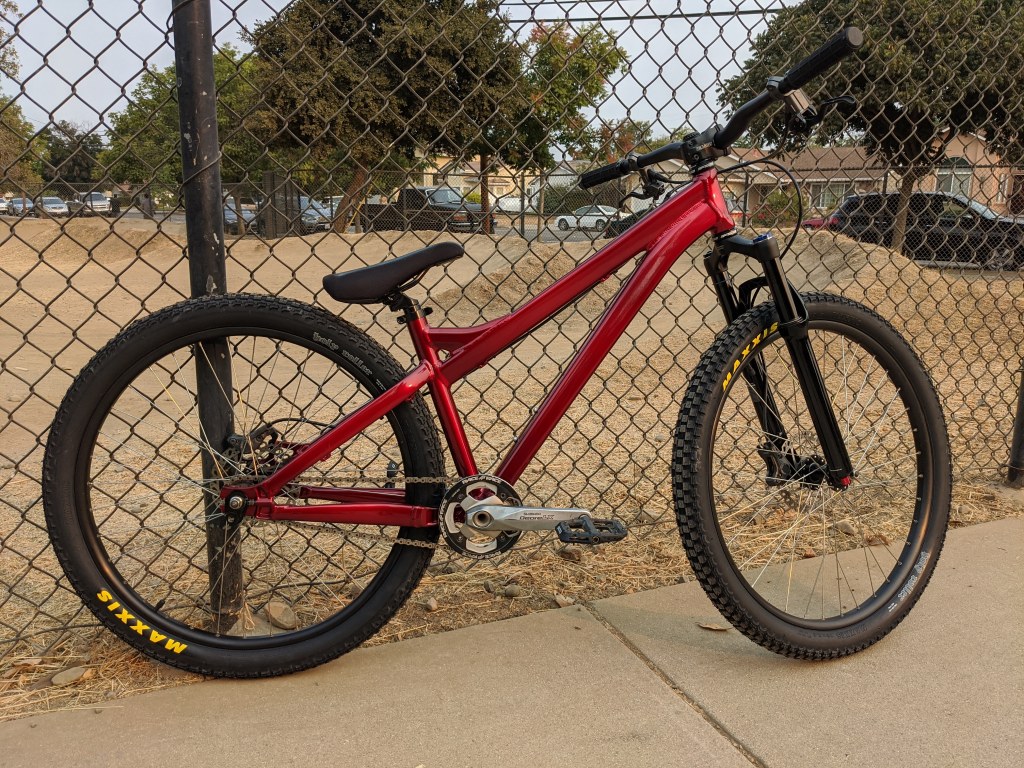
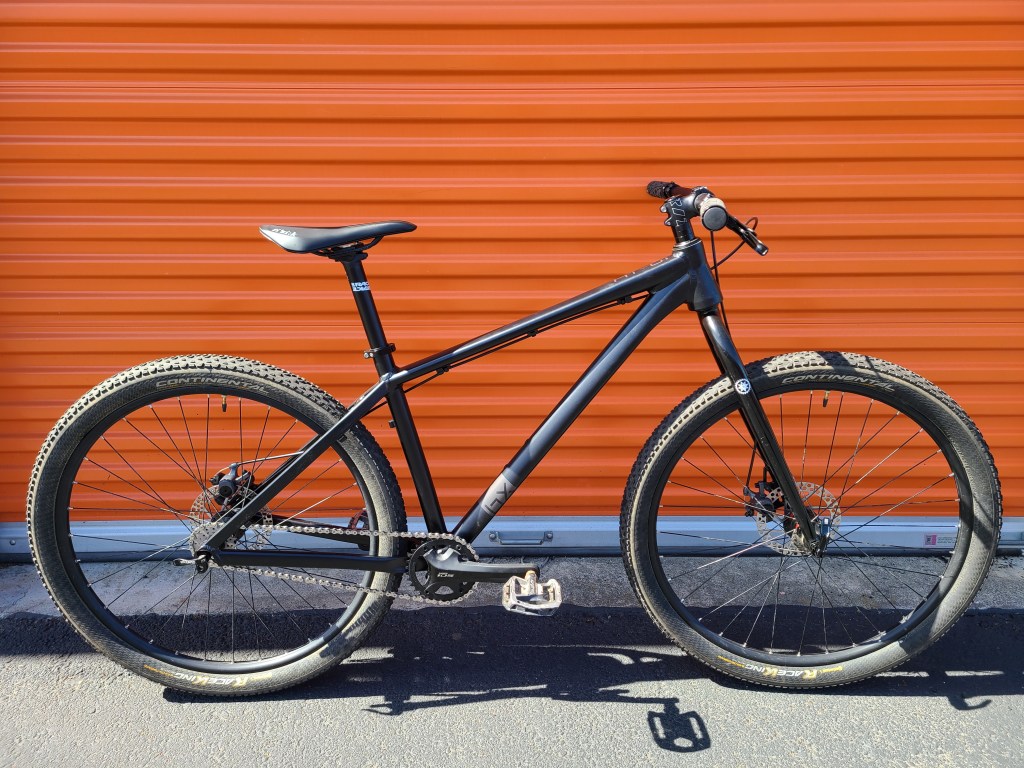
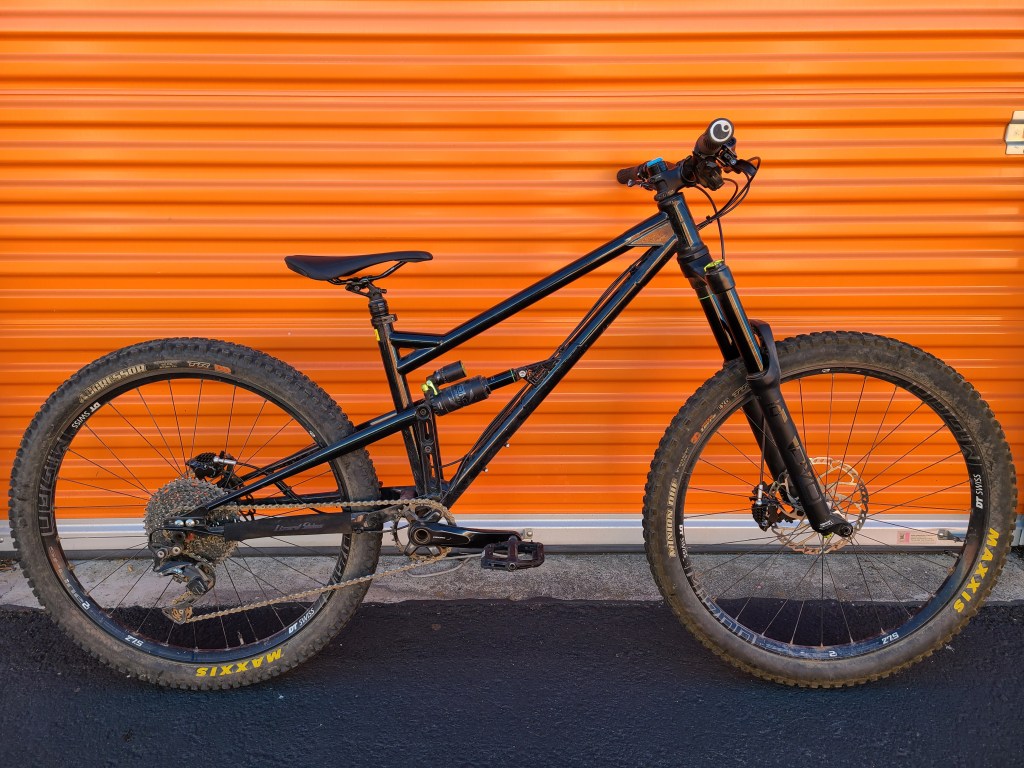
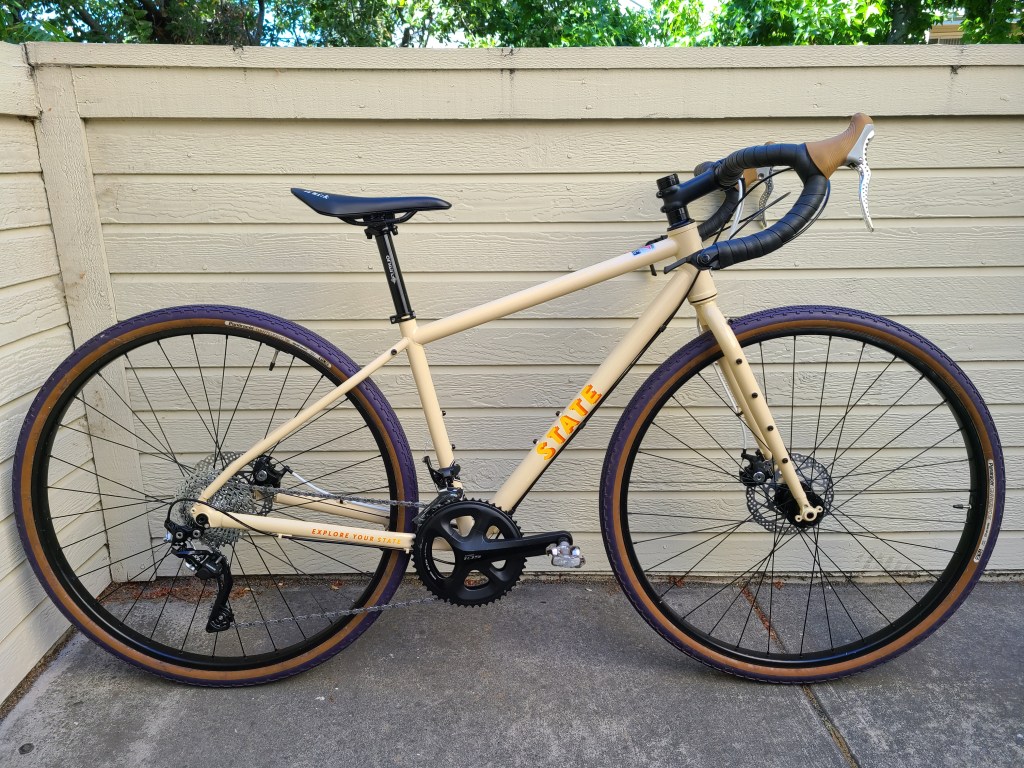
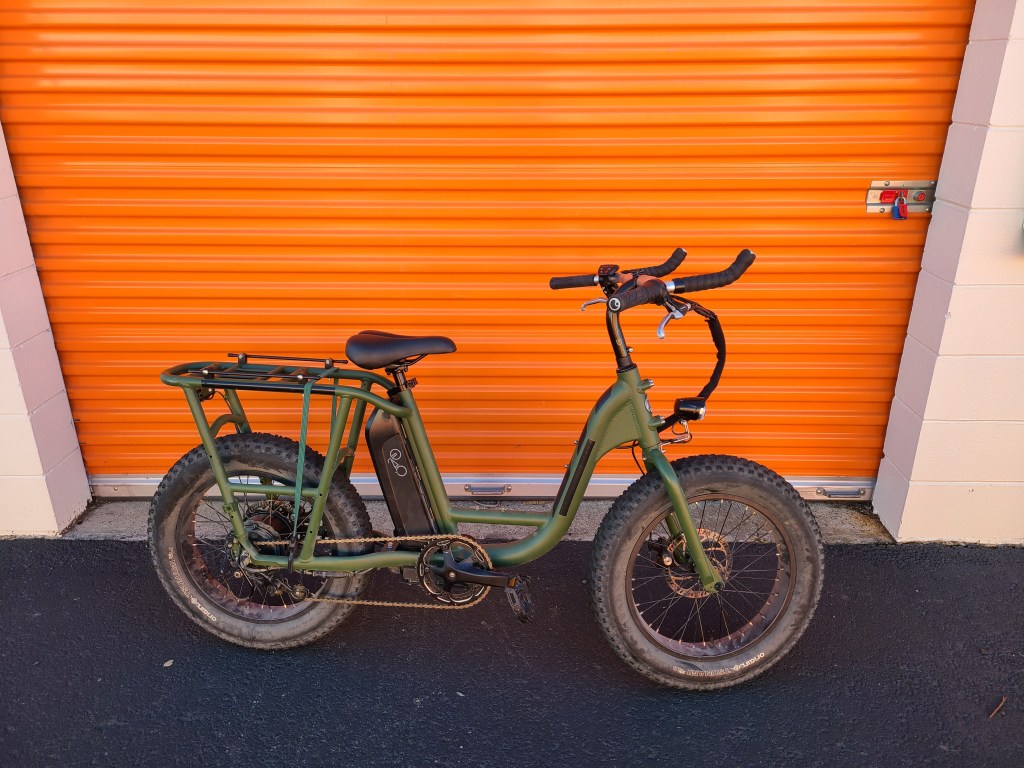
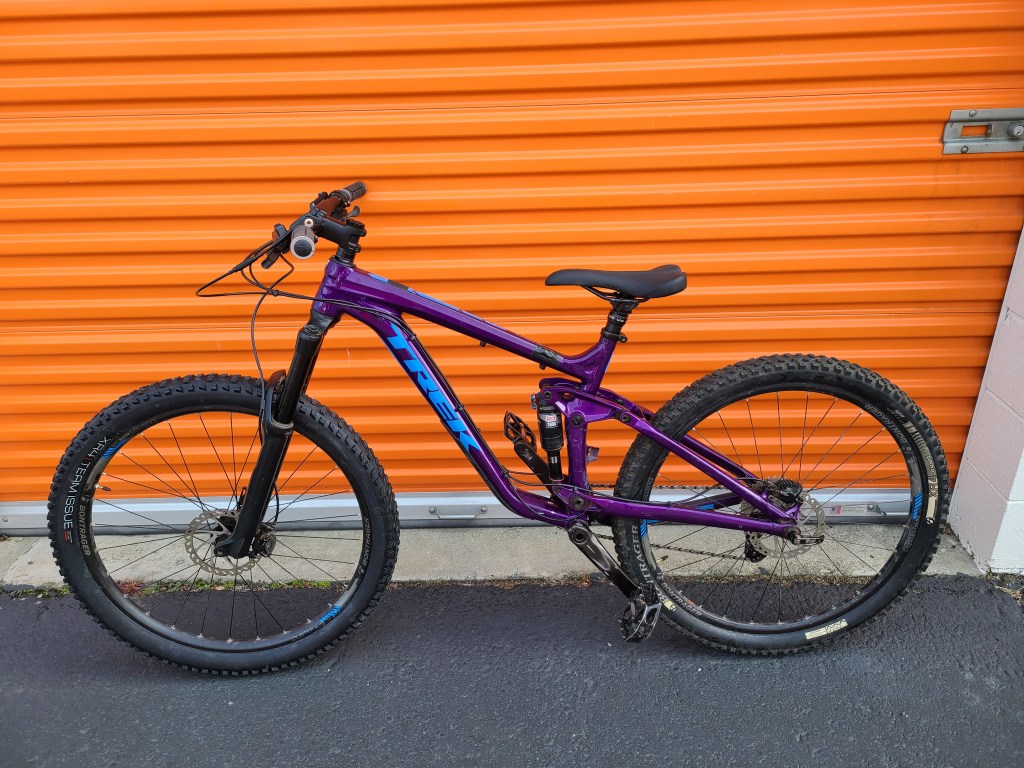
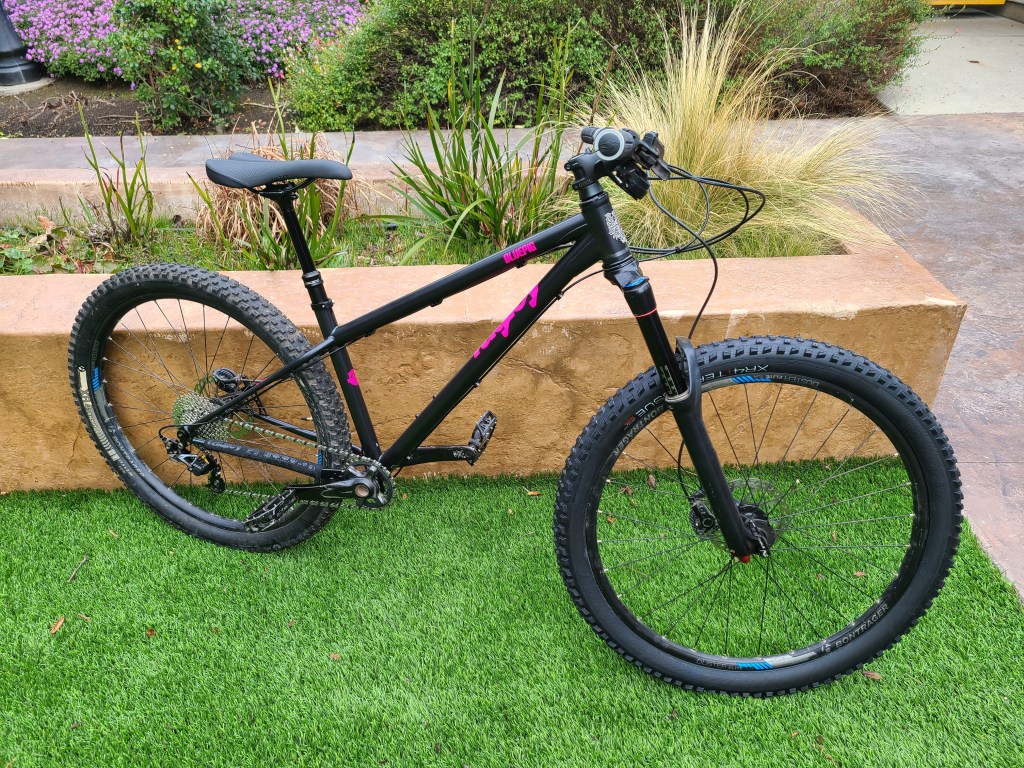
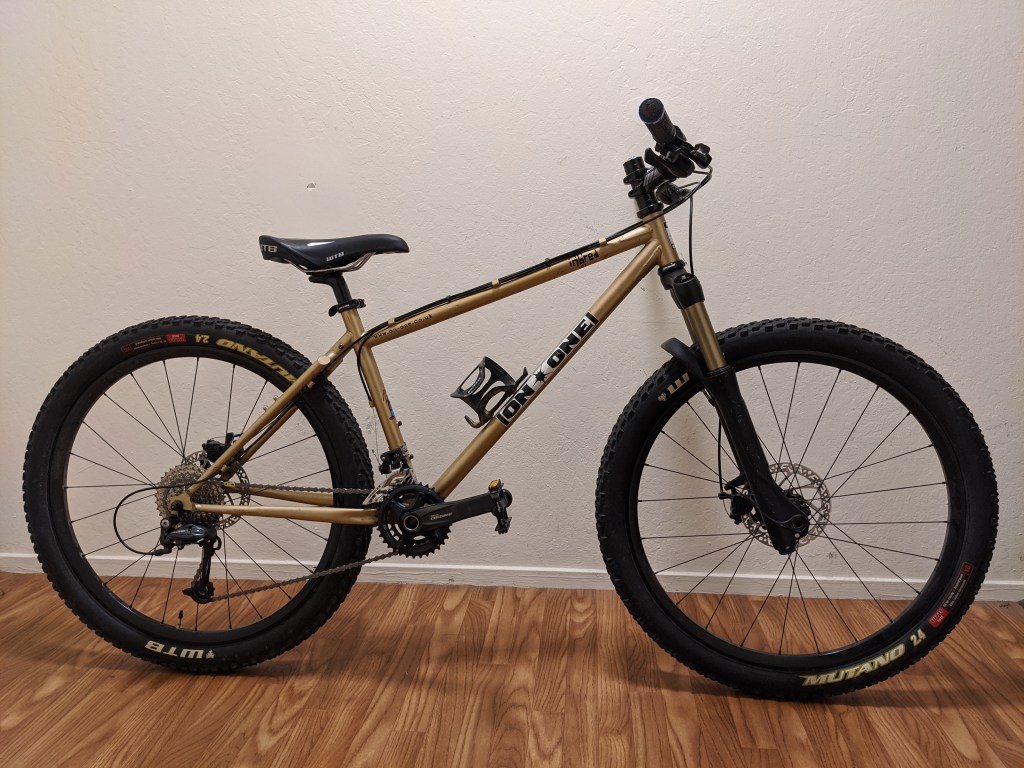
Specialized P2. Dirt Jumper. Candy Apple Red powdercoat, looks amazing.Surly Krampus. Gotta have a rigid singlespeed, and the paint has red glitter in it that sparkles in the sun.BrandX hardtail, parts bin build. I actually shipped this home to Michigan so I can ride when I visit 🙂Ferrum Bikes LV. Steel full-suspension trail bike, a little heavy, just not for me.Soma Wolverine V2. Pretty cool bike, but too flexy.State 4130 All-Road. Small size, purple tires.Specialized Sequoia, with albatross bars. Weird, but not much need for this one. Sold it in Portland during my visit.Rad Bikes RadRunner. Cheap eBike. Just so weird. And heavy.2016 Trek Slash 7. My old mountain bike, geometry was getting a bit dated.2019 Ragley Blue Pig. Sold the frame. Didn’t have the magic of the 2011 one.Soma Double Cross. Got the frameset for a steal, pretty slick ride.Raleigh Clubman. $50 frame, spare parts build. Not bad, all things considered.Traitor Cutlass. I had the frame since college, but never really clicked with it. Built the rear wheel around a Sturmey Archer 3-speed hub.On-One Inbred, another parts bin build. This bike was tiny in real life.
It has been one year since I last logged in to this site. I decided to change the domain to my name. Maybe I’ll clean it up and streamline things a bit too.
A few other things have changed as well, but largely, with COVID and all, not much is different.
The van has gone through a few iterations, as has Franken-Pig. I moved apartments but still live in the Bay Area.
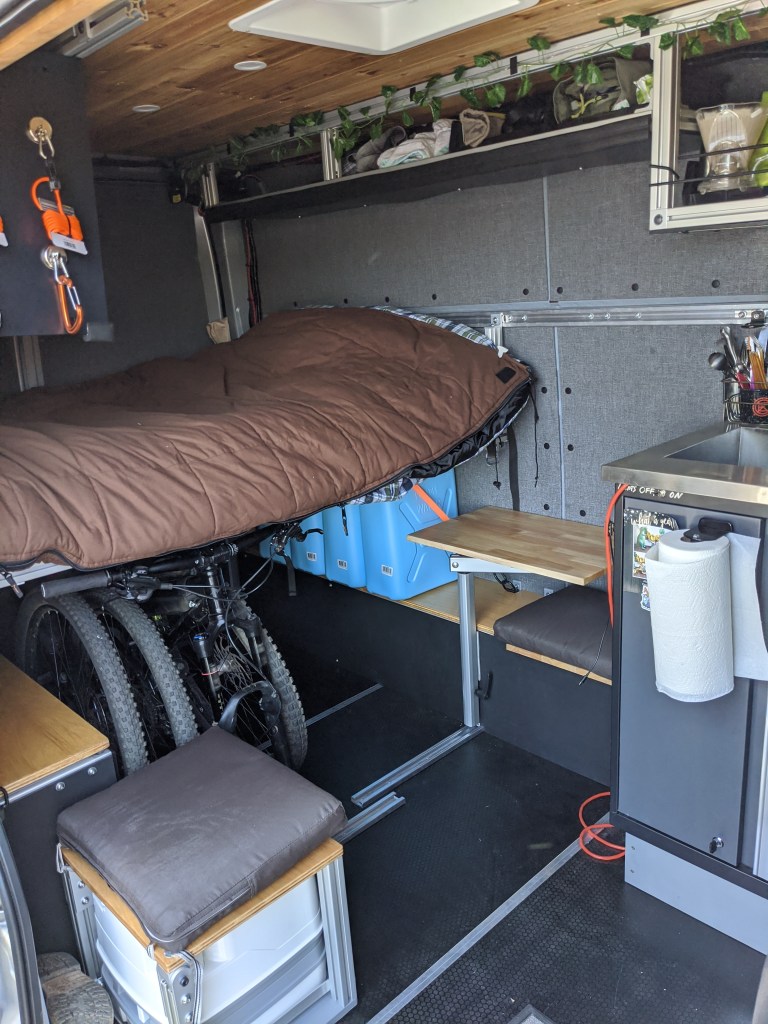
Starting with the van, pretty quickly after it was built, I switched the bed to that garage/high-bed layout:
Then a few months later, decided to switch it again to a convertible futon:
Floor space makes the van more useful. Being able to flip the original bed up from the first iteration was great, but when folded down took up too much space. Having the garage is nice for keeping bikes, but there isn’t much space to walk around and stretch out, and it doesn’t do great at carrying cargo with a giant frame hanging halfway down the space. The convertible futon is kind of the best of both worlds.
I’ve since used the van to move apartments, carry the motorcycle and multiple bikes inside, etc. It still has the convertible futon and I think it’ll stay that way.
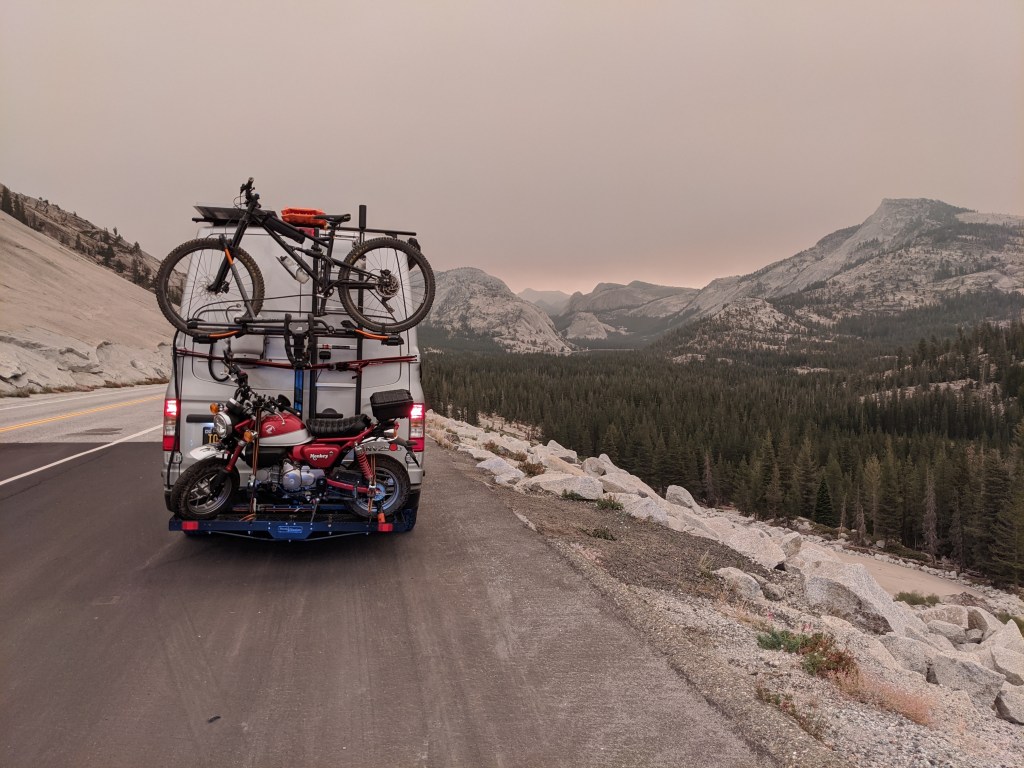
I also made a double decker rear rack setup to hold both a motorcycle and my bikes, which is pretty sweet (if I do say so myself):
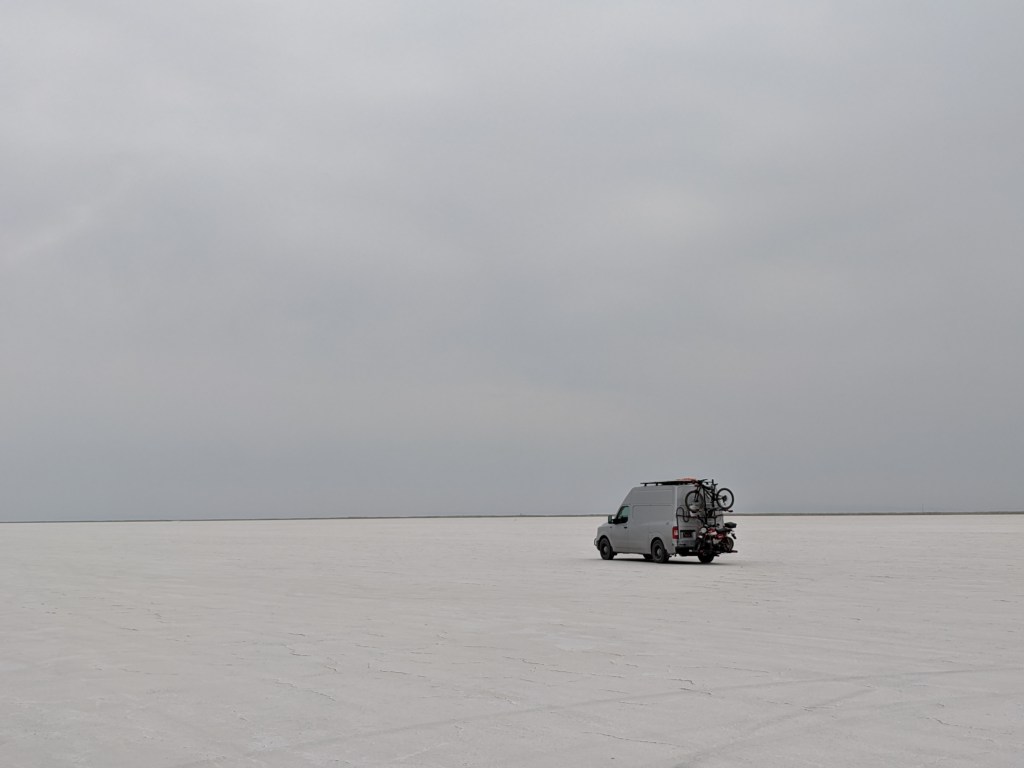
The van has been to Salt Lake City, Wyoming/Utah via Yellowstone/Grand Teton/Arches/Canyonlands, Portland, Crater Lake/Lava Beds in the last year, but outside of these 4 or so trips, has largely sat unused.
It still works fine though!
Bikes have been a large part of the last year in keeping my hands busy and me sane. I’ve built so many bikes, and sold most of them, kept some of them. That will come in a future update.
For now, Franken-Pig first got new drop bars and 650B carbon wheels, then got a carbon Lauf fork, and carbon cranks with a 1×11 SRAM Rival drivetrain replacing the 2×10 before. The basket was replaced by a more bikepacking-esque setup, with a Swift Paloma handlebar bag, Rogue Panda tank bag, and Fairweather saddlebag. This has been the configuration of the bike for the last 800 or so miles, and I’d dare say it’s pretty much perfect now.
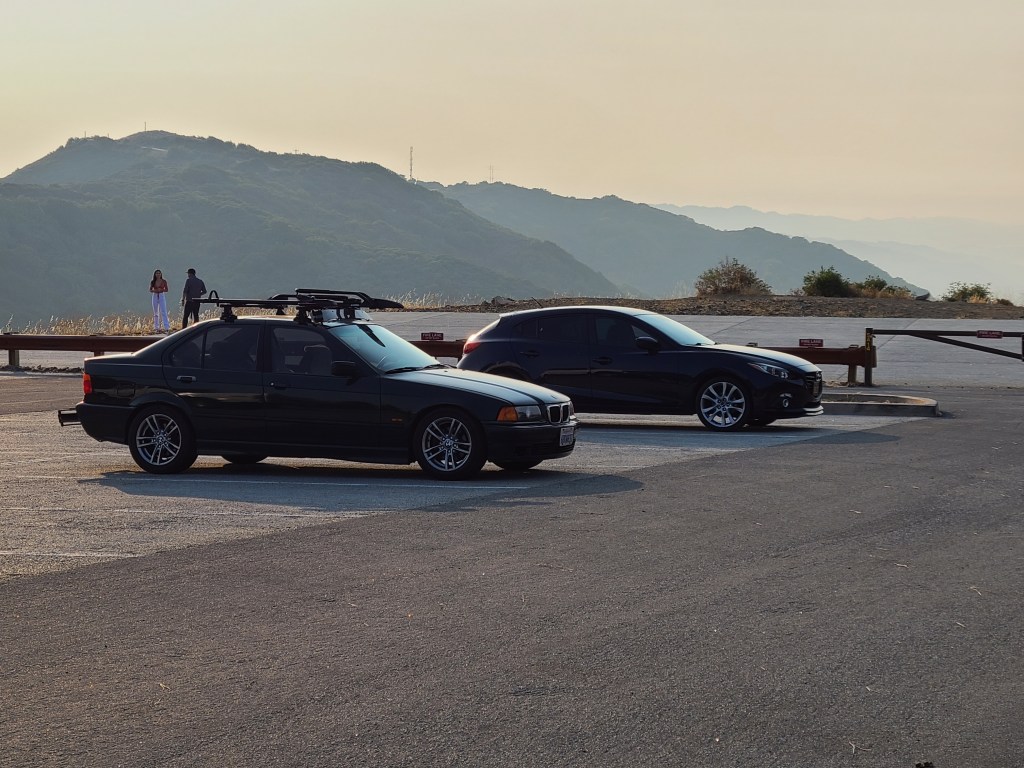
The old green BMW is still my daily driver, and has largely been completely fine, with no breakdowns or major mechanical issues. Just getting old, bumps and bruises from small dents, sun-damaged bubbling paint, etc. It’s almost at 200k miles now and still runs great.
I think that’s pretty much all for now. Big list of bikes I’ve built to come.





































 Andrew Liu